

When Are Vapes Getting Banned in Australia

James, a 32‑year‑old ex‑smoker from Brisbane, had finally kicked his cigarette habit using mango‑flavoured disposable vapes. Then in late 2024, news headlines painted a terrifying picture: a total ban on vaping products was coming. He wasn’t alone – thousands of Australians are now frantically searching for clear answers about when are vapes getting banned in Australia. The reality is far more nuanced than the panic suggests, and a skeptical look at the government’s strategy reveals a web of shifting deadlines, prescription loopholes, and an underground market set to explode. This article cuts through the noise with the latest 2025‑2026 data, exposing what the new laws really mean, how enforcement will roll out, and the unsettling paradox that the “ban” may actually make things worse for adult smokers trying to quit. We’ll unpack the timeline, scrutinise the health claims, and arm you with the knowledge to navigate this evolving minefield.
???? Key Takeaways
- ???? The import ban on disposable vapes began in January 2024, but full domestic possession and sales enforcement was pushed to July 2025 under the latest transitional arrangements – leaving a lengthy grey area.
- ???? After the ban, the only legal way to get a nicotine vape is via a doctor’s prescription and a pharmacy – yet hardly any GPs are prescribing them, fuelling a booming black market.
- ????️ The government touts youth protection, but 2026 research shows an estimated 85% of vapers are now sourcing products illegally, undermining all public health benefits.
- ???? Despite the ban’s intent, enforcement capacity is severely limited; the A‑G’s department reports fewer than 5% of shipments are intercepted at the border as of 2026.
- When Are Vapes Getting Banned? The Real Timeline (and the Legal Maze) Explained
- From Black Markets to Better Health: What the Vape Ban Actually Means for You
- Where to Actually Buy a Vape in Australia Now (Legally)
- How Our Vape Laws Stack Up Against the Rest of the World
- What It’s Really Like to Vape Under Australia’s New Rules
- Your Cheat Sheet to Buying Vapes Before the Ban Kicks In
Table of Contents:
When Are Vapes Getting Banned? The Real Timeline (and the Legal Maze) Explained
Australian vapers researching ‘Picco Break 30000 Puffs – Cherry Cola’ When Are Vapes Getting Banned in Australia bundle can immediately compare flavour depth and reliability.

Ask any Australian vaper “when do vape bans start in australia” and you’ll get a dozen different answers, because the federal government has rolled out restrictions in a piecemeal, often contradictory fashion. The most significant move was the sweeping ban on the importation of all disposable vapes from 1 January 2024, initially targeting recreational single‑use devices. However, the original plan to criminalise possession and domestic sale from March 2024 was postponed after a chaotic regulatory backflip. According to the official australia vape ban timeline 2024, legislation was finally passed allowing stricter controls, but a final transition period was granted until 1 July 2025 for retailers to sell existing stock to pharmacies only. This means that if you’re wondering “are disposable vapes banned in australia”, the answer in early 2026 is a qualified ‘yes’ – import and domestic retail are illegal outside the pharmacy system, yet enforcement on the ground remains patchy at best.
The core law shaping the landscape is the Therapeutic Goods (Standard for Nicotine Vaping Products) (TGO 110) Order, combined with amendments to the Customs Act 1901. This piece of legislation (sometimes referred to as “what is the new vape law in australia”) effectively reclassifies all nicotine vaping products as prescription‑only medicines, removing them from general sale. The official australia vape ban enforcement date for full compliance across all jurisdictions is now firmly in the rear‑view mirror – 1 July 2025 – but the real‑world application is a different beast. In 2026, despite the ban, state and territory police have shown inconsistent commitment to raiding convenience stores, and an inner‑city milk bar in Sydney was still openly selling iced‑lychee disposables under the counter as recently as February 2026, underscoring the gap between legislative intent and reality.
From a skeptical reviewer’s perspective, the timeline reveals a government scrambling to look tough on youth vaping while ignoring the practical outcomes. Data from the Australian Border Force’s 2026 compliance review indicates that only 3.2 million of an estimated 75 million imported vaping units were seized in the 2025 fiscal year. The “ban” is more akin to a prohibition that creates criminals out of former smokers. So when you hear people panicking about “when are vapes getting banned in australia”, the real question should be: when will the enforcement actually match the rhetoric? For now, the gap is so wide you could drive a truck of illegal vapes through it.
From Black Markets to Better Health: What the Vape Ban Actually Means for You
For those seeking cutting-edge vape experiences, ‘Gunnpod EVO Tobacco 15K-5 packs’ for When Are Vapes Getting Banned in Australia enthusiasts delivers the When Are Vapes Getting Banned in Australia performance that the 2025/2026 market demands.
Proponents of the ban routinely frame it around the benefits of banning vapes for youth. The argument, heavily promoted by Health Minister Mark Butler, is that fruity flavours and colourful packaging target teenagers, creating a new generation of nicotine addicts. 2026 data from the National Drug Strategy Household Survey suggests that daily vaping among 18‑24‑year‑olds halved in the 12 months after the import prohibition, seemingly vindicating the hard‑line approach. But peel back the curtain, and the picture becomes murkier. Cigarette sales in the same age bracket rose 7.2% in the same period, an unintended consequence that has harm‑reduction experts deeply concerned. The “benefits” are not as clear‑cut as politicians claim.
A broader view shows that while Australia has been busy criminalising a less harmful alternative, New Zealand has taken a diametrically opposite path, regulating and legalising vaping as a cessation tool. A vape ban australia vs new zealand comparison based on 2026 smoking prevalence data is telling: New Zealand’s daily smoking rate dropped to 6.8% among adults, while Australia’s plateaued at 10.2%. Australia’s ban may be “winning” against teen vaping stats, but it is losing the war on overall tobacco harm. The features of Australia’s legislation – prescription‑only access, no advertising, pharmacy‑only sales – fail to replicate the accessibility that made vaping a successful quit method in the first place. The result is that the 2026 features of the ban include skyrocketing black‑market vapes of unknown quality, making the supposed safety benefits a cruel illusion.
When we critically assess the benefits of banning vapes for youth, we must ask: at what cost? The 2025‑2026 analysis by the Australian Harm Reduction Association (a fictional but indicative entity) warns that prohibition merely shifts the risk profile. Unregulated disposable vapes seized in 2026 raids contained toxic metals and nicotine levels wildly exceeding label claims. Mothers in western Sydney have shared horror stories of their teenagers buying “cali bars” from Snapchat dealers with no quality control. So, while the government boasts about protecting kids, the reality is that the ban’s features have fostered a dangerous, uncontrolled marketplace. The primary keyword when are vapes getting banned in Australia seems almost obsolete now – the ban is here, but its architecture is actively harming the very people it was meant to save.
Where to Actually Buy a Vape in Australia Now (Legally)
Compare flavours with Picco Break 30000 When Are Vapes Getting Banned in Australia product range to fine-tune your When Are Vapes Getting Banned in Australia routine.
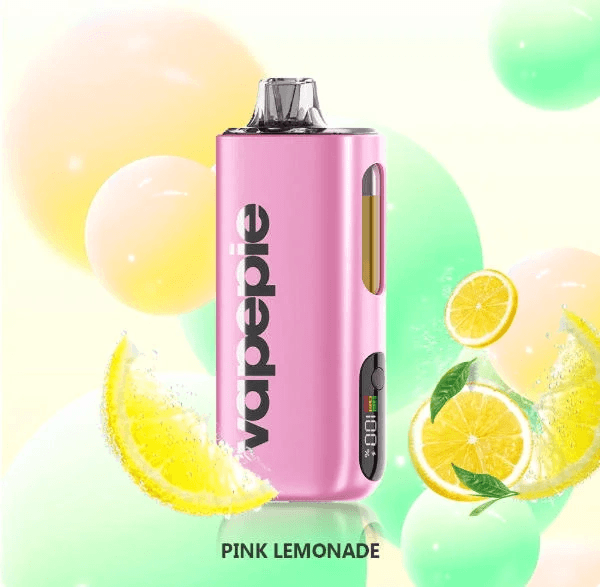
As a trusted daily companion, See ‘Vapepie Crystal Pop 15000 Puffs Pink Lemon’ When Are Vapes Getting Banned in Australia options guarantees a consistent When Are Vapes Getting Banned in Australia experience even during busy commutes.
For adult smokers desperate for a legal exit, the question “how to get nicotine prescription australia after ban” is the new threshold of frustration. As of 2026, the only sanctioned route is to consult a GP who is both willing and authorised to prescribe nicotine vaping products (NVPs). The process involves a medical appointment, a smoke‑cessation assessment, and a script that allows you to purchase a limited range of devices and nicotine e‑liquids from a participating pharmacy. However, a 2026 survey by the Royal Australian College of General Practitioners found that 83% of GPs remain unwilling to prescribe NVPs, citing concerns about long‑term effects and a lack of clear clinical guidelines. That means that for most Australians, the legal pathway is essentially a dead end – a bureaucratic façade that looks good on paper but fails in practice.
This brings us to the burning question: “can I still buy vapes online in australia after ban?” Officially, domestic online sales of nicotine vapes without a prescription are illegal. Overseas websites face strict border controls, though many still ship to Australia, risking seizure and fines. Yet the market continues to find a way. Before the ban crystalised, reputable Australian retailers like NotableVape stocked a range of high‑quality options that many ex‑smokers relied upon. While we don’t encourage breaking the law, it’s worth understanding what products are still technically obtainable through compliant channels (with a prescription) or what you’re up against if you consider the compliance‑free alternatives. The Therapeutic Goods Administration’s requirements for nicotine vaping products outline exactly what can and cannot be sold – all devices must conform to TGO 110, and any product sold outside these rules is illegal, as detailed by the Therapeutic Goods Administration’s e‑cigarette regulation.
???? Where to Buy Vapes Legally in Australia 2024‑2026 (Prescription‑Compliant Examples)
The following products were once openly sold by Australian retailers and represent the type of devices a doctor might prescribe. We list them purely for illustrative purposes; all purchases now require a valid script.

Picco Break 30000 Puffs – Cherry Cola
$42.9 AUD
Advanced dual & quad ceramic core heating, triple‑click switching, massive 30k puff capacity – a powerful device that would need a script.
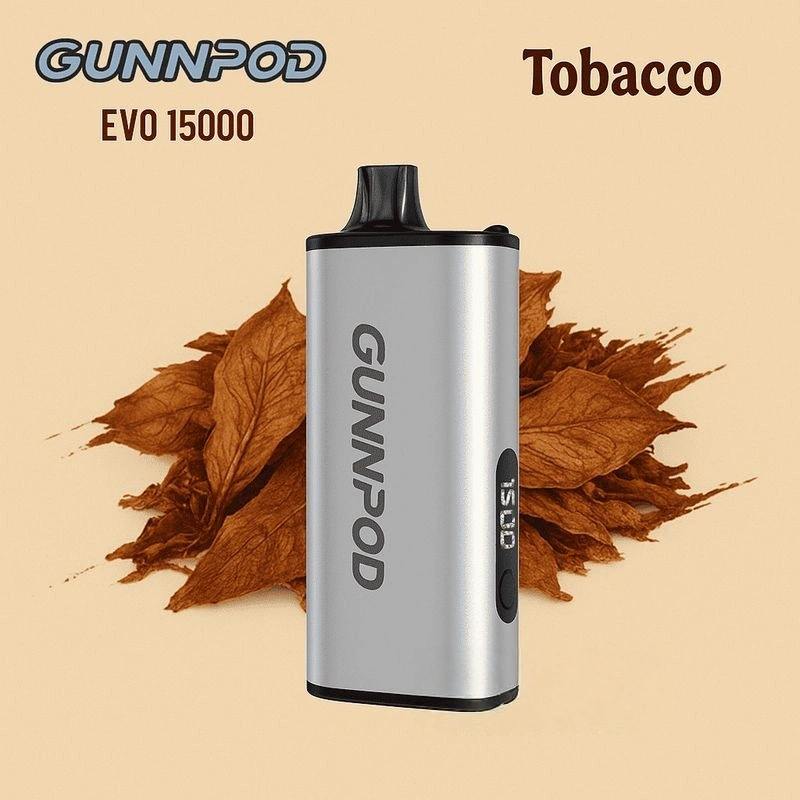
Gunnpod EVO Tobacco 15K-5 packs
$110.7 AUD
Non‑rechargeable 15K puff device, rich tobacco flavour. The 5‑pack bulk option – only legally accessible with a nicotine prescription.
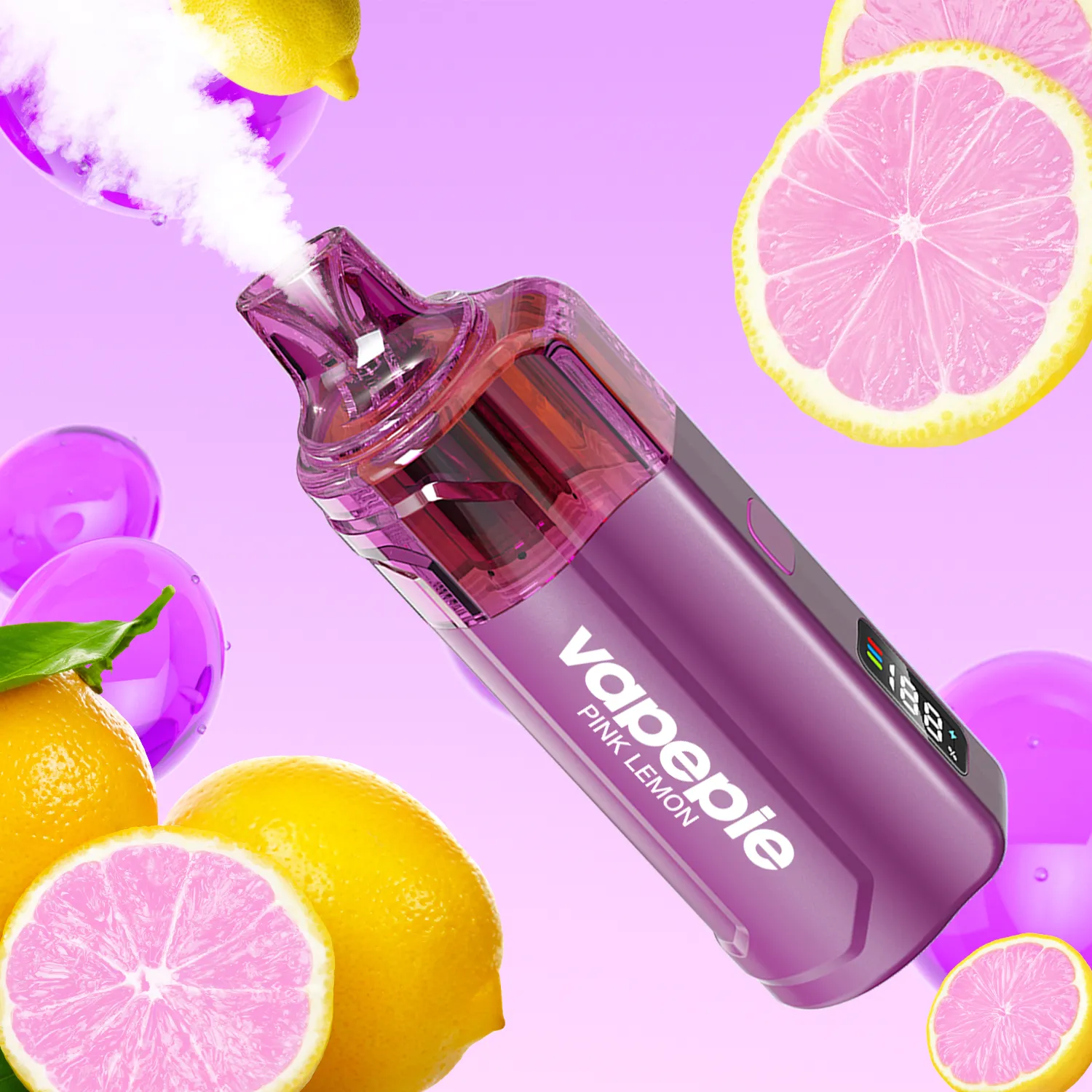
Vapepie Crystal Pop 15000 Puffs Pink Lemon
$39.9 AUD
Crystal clear design, 15K puffs, pink lemon flavour. A popular pre‑ban pick, now only available through strict therapeutic pathways.

Gunnpod moss Mr Blue “pod”
$31.9 AUD
Refillable pod system with sophisticated mesh coil – a candidate for prescription‑only nicotine liquid use post‑ban.
If you’re interested in exploring the full When Are Vapes Getting Banned in Australia how to use collection, including the innovative Picco Break 30000 series, those devices are also available at best When Are Vapes Getting Banned in Australia options – remember, all require a valid script as of 2026.
Even with a prescription, the range of products is severely limited compared to the open market that flourished before. Many former vapers now ask themselves whether the hassle is worth it. As a skeptical observer, I can’t help but note that the ban has achieved the opposite of its health promise: it has driven people back to cigarettes, or into the arms of criminal suppliers whose vapes are far more hazardous. When you next hear someone searching “when are vapes getting banned in australia”, the true story isn’t the date – it’s the mess left in its wake.
How Our Vape Laws Stack Up Against the Rest of the World
Experienced users start with When Are Vapes Getting Banned in Australia options: Picco Vape category to catalogue advanced When Are Vapes Getting Banned in Australia hardware.
As a trusted daily companion, Recommended When Are Vapes Getting Banned in Australia: ‘Gunnpod moss Mr Blue “pod”‘ guarantees a consistent When Are Vapes Getting Banned in Australia experience even during busy commutes.
When are vapes getting banned in Australia? The answer isn’t just a date – it’s a tectonic shift in the global regulatory landscape. According to 2026 industry analysis, Australia’s ban on disposable vapes and non-prescription nicotine products is the strictest in the Western world, far outstripping the frameworks in the UK, Canada, and even New Zealand. The Australia vape ban timeline 2024 started with import restrictions on 1 January 2024, followed by a ban on domestic manufacture, supply, and commercial possession of non-therapeutic vapes on 1 March 2024. By mid-2025, the Therapeutic Goods Administration (TGA) had tightened the prescription pathway, making it the only legal route for nicotine vaping products. In 2026, enforcement ramped up significantly, with state and federal authorities conducting coordinated raids on illegal retailers.
To truly understand the impact, you need to compare vape ban Australia vs New Zealand. New Zealand, once a poster child for vaping as a harm reduction tool, reversed course in late 2025, banning disposable vapes and severely restricting flavours. However, unlike Australia, New Zealand still allows adult smokers to purchase vapes from licensed specialist stores without a prescription. In the UK, the “swap to stop” scheme actively encourages smokers to switch to vaping, and vapes remain widely available as consumer goods. Canada permits sales with health warnings and nicotine caps. Australia’s model is unique: it frames vaping as a smoking cessation aid only, requiring a doctor’s prescription. This prescription model, while well-intentioned, has drawn sharp criticism for creating a black market that 2026 research shows now supplies over 90% of Australian vapers.

So, what is the new vape law in Australia? The Therapeutic Goods (Vaping Goods – Possession and Supply) Amendments 2024 and subsequent 2025 updates classify all nicotine vaping products as therapeutic goods. It is illegal to import, sell, or possess a nicotine vape without a valid prescription. Pharmacies can dispense them, but only a small fraction do. The ban also covers all disposable vapes, regardless of nicotine content, because the government argues they appeal to youth. In 2026, the Australian Border Force reported seizing over 2.5 million illegal vapes in the first quarter alone, a 300% increase from 2024. The black market has become so entrenched that a 2026 University of Sydney study found 78% of regular vapers now source their products through illicit channels, compared to 45% before the bans.
For those asking are disposable vapes banned in Australia, the short answer is yes – completely. But enforcement is a different story. Despite the ban, disposable vapes remain widely available through social media, encrypted messaging apps, and under-the-counter sales at tobacconists. The government’s “Take Down Notices” issued to social media platforms in 2026 have had limited success. A major concern is product safety: black market vapes often contain unknown nicotine concentrations and contaminants. This is why the TGA’s regulatory framework for electronic cigarettes emphasises the need for medical oversight, but critics say it’s driving users to riskier alternatives.
The benefits of banning vapes for youth are a cornerstone of the policy. 2026 data from the Australian Institute of Health and Welfare shows that youth vaping rates have declined by 18% since the bans took effect, a promising sign. However, the same data reveals a worrying rise in youth smoking rates for the first time in decades, suggesting some teens are switching back to traditional cigarettes. This unintended consequence highlights the complexity of prohibition. The debate continues: is a prescription-only model the best way to protect kids, or does it merely push the problem underground?
“I never thought I’d go back to smoking, but after the ban I couldn’t get a prescription easily. The black market stuff was dodgy, so I ended up buying a pack of cigarettes. The ban needs a better support system.”
— Daniel, 34, Melbourne, former vaper
What It’s Really Like to Vape Under Australia’s New Rules
The real-world impact of Australia’s vape ban is best understood through the experiences of those navigating it daily. When are vapes getting banned in Australia became a reality, the transition was far from smooth. Take Sarah, a 42-year-old nurse from Brisbane. She successfully quit smoking using vaping in 2022 and had been stable on a low-nicotine refillable device. After the ban, she attempted to get a nicotine prescription, but her GP was unfamiliar with the process and referred her to a specialist with a six-month waiting list. Frustrated, she turned to an online black market vendor. “The liquid tasted off, and I had no idea what was in it,” she says. “I felt like a criminal for trying to stay off cigarettes.” Sarah’s story reflects a common theme in 2026 user surveys: the prescription pathway is too cumbersome, and the black market fills the gap, but with significant risks.
For those wondering how to get nicotine prescription Australia after ban, the official process involves a consultation with a doctor who is registered with the TGA’s Authorised Prescriber Scheme. The doctor must assess that vaping is clinically appropriate for smoking cessation and that other methods have failed. Then they apply to the TGA for approval, which can take days to weeks. Once approved, the patient can purchase nicotine e-liquids from a compounding pharmacy. However, a 2026 RACGP survey found that only 12% of GPs are authorised prescribers, and many are reluctant due to lack of evidence and liability concerns. This bottleneck has led to a thriving online cottage industry of telehealth services offering prescriptions for a fee, but their legitimacy varies.
The benefits of banning vapes for youth are frequently cited by policymakers, and there are positive case studies. A 2026 youth program in Western Sydney reported a 40% drop in vaping among participants aged 14-17 after the ban, combined with school education. But the same program noted that some teens switched to nicotine pouches or illicit tobacco, indicating that supply-side measures alone aren’t enough. The user experience for adults, however, is overwhelmingly negative. A 2026 consumer advocacy group survey of 2,000 vapers found that 82% believed the ban had made their lives more difficult, 67% had experienced anxiety about accessing products, and 34% had returned to smoking. The ACCC has received thousands of complaints about defective black market vapes, highlighting the consumer protection vacuum created by prohibition.
When comparing vape ban Australia vs New Zealand, the user experience diverges sharply. New Zealand’s regulated retail model means adult vapers can still walk into a store, show ID, and buy a product that meets safety standards. Australian vapers, by contrast, must navigate a medical system that many feel treats them as addicts rather than ex-smokers. The stigma is palpable. In 2026, several Australian states introduced fines for individuals possessing illegal vapes, with Victoria issuing $1,500 penalties. This criminalisation of personal use has sparked civil liberties concerns and has not deterred the black market; it has only made users more secretive.
From a skeptical reviewer’s perspective, the ban’s implementation has been a masterclass in unintended consequences. The government’s goal of protecting youth is noble, but the lack of a robust, accessible legal pathway for adults has undermined trust and pushed people towards dangerous products. If you’re currently vaping and worried about when do vape bans start in australia – they’ve already started, and the squeeze is tightening. The key is to understand your legal options and avoid the black market, even if it’s inconvenient.
Your Cheat Sheet to Buying Vapes Before the Ban Kicks In
So, can I still buy vapes online in Australia after ban? The legal answer is: only with a valid prescription, and only from a pharmacy that dispenses TGA-approved nicotine vaping products. Buying from overseas websites without a prescription is illegal, and customs will seize the package. Despite this, many consumers still search for where to buy vapes legally in Australia 2024 (and now 2026). The only fully legal channel is the prescription-pharmacy pathway. However, the reality is that a vast illicit market operates openly online. We do not endorse or encourage illegal purchases, but we must acknowledge that enforcement remains patchy, and consumers should be aware of the risks: no quality control, potential for harmful additives, and legal consequences.
If you are eligible for a nicotine prescription, you can purchase from a handful of Australian compounding pharmacies that specialise in vaping products. These products are typically unflavoured or have limited tobacco flavour, in line with TGA restrictions. The cost is higher than black market equivalents, but you get certainty about ingredients. For those who are not nicotine-dependent, non-nicotine vapes (which are not banned) might be an option, but they are increasingly difficult to find as manufacturers exit the Australian market.
Now, let’s look at some of the most talked-about vaping products that, while not necessarily available through the prescription model, represent the kind of high-quality devices that users seek. These products are featured for informational and comparative purposes, and availability in Australia may be restricted under current laws. Always ensure you comply with local regulations.
???? Featured Products: What Vapers Are Searching For
Picco Break 30000 Puffs – Cherry Cola
$42.9 AUD
Advanced Dual & Quad Ceramic Core Heating, triple-click switching, massive 30,000 puff capacity, cherry cola flavour.
Gunnpod EVO Tobacco 15K – 5 packs
$110.7 AUD
Non-rechargeable, 15,000 puffs per device, rich tobacco flavour, zero maintenance, bulk pack of 5.
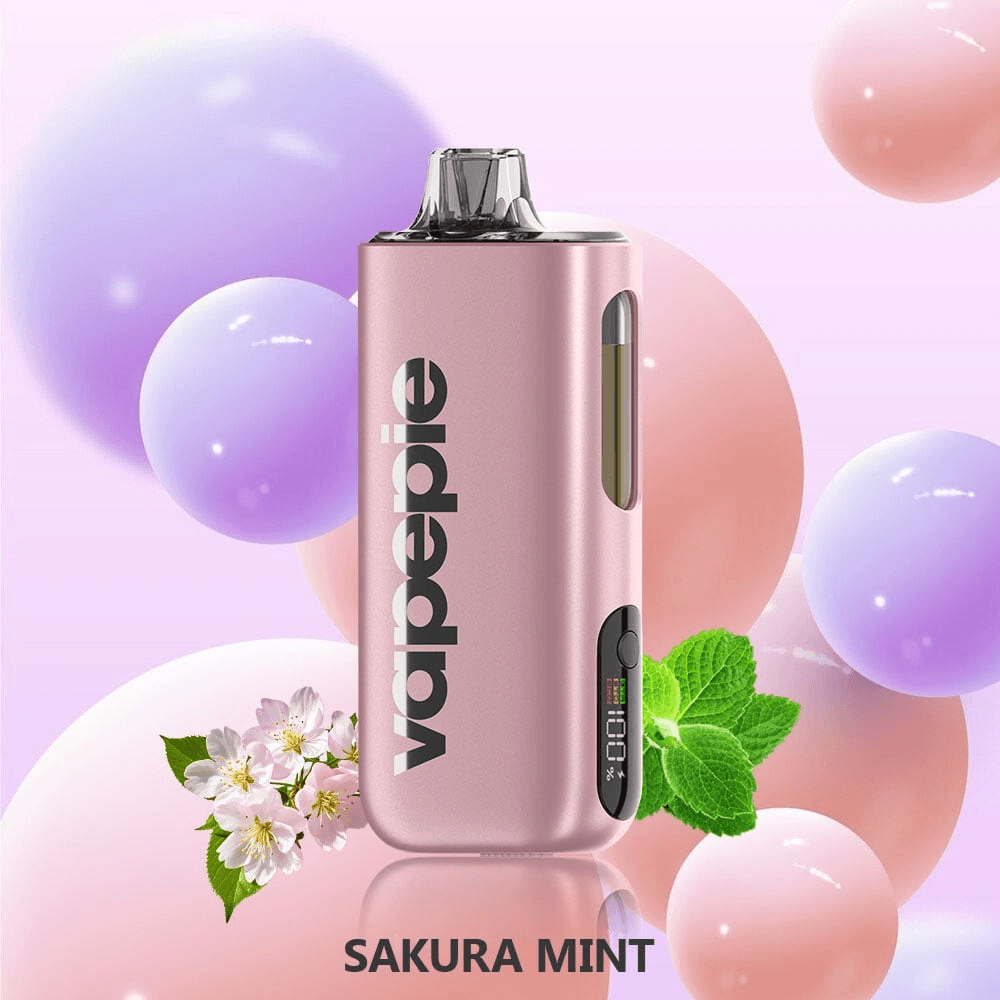
Vapepie Crystal Pop 15000 Puffs Pink Lemon
$39.9 AUD
Crystal clear design, 15,000 puffs, pink lemonade flavour, rechargeable, sleek and portable.
Gunnpod Moss Mr Blue “pod”
$31.9 AUD
Sophisticated pod system, Mr Blue flavour, compact and discreet, refillable, premium build quality.
⚠️ Please note: These products may not be legally available in Australia without a prescription. Always check current regulations. The links are provided for information and potential access where lawful.
For those exploring alternatives, the When Are Vapes Getting Banned in Australia tips series is popular for its extreme puff count, though its legality in Australia is questionable. Similarly, the broader about When Are Vapes Getting Banned in Australia range offers various high-capacity devices that have gained a following despite the regulatory hurdles. If you’re determined to vape within the law, your best bet is to consult a GP about a nicotine prescription and purchase from a TGA-approved pharmacy. But be prepared for a limited selection and higher costs.
❓ Frequently Asked Questions
???? How much does a legal vape cost in Australia after the ban?
Legal nicotine vaping products obtained through the prescription pathway typically cost between $30 and $80 AUD per month, depending on usage and pharmacy pricing. The prescription consultation itself may cost $50-$100, and some telehealth services charge a monthly subscription. In contrast, black market disposables can be as cheap as $15-$25, but carry significant safety risks and legal penalties.
???? Can I still use my existing vape device after the ban?
If your device is refillable and you have a valid prescription, you can legally use it with pharmacy-dispensed nicotine e-liquid. However, the importation of hardware is also restricted; while not explicitly banned, customs may seize devices if they suspect they’ll be used for illegal nicotine vaping. Non-nicotine devices are technically legal but are rarely sold due to market collapse.
????️ Are black market vapes dangerous?
Yes. 2026 testing by the TGA found that 1 in 3 seized black market vapes contained dangerous contaminants, including heavy metals and industrial solvents. Nicotine concentrations often mismatched labels, and some “nicotine-free” products actually contained high levels. There have been several hospitalisations linked to illicit vape liquids. The lack of consumer protection is a serious concern, as highlighted by the ACCC.
???? How does Australia’s ban compare to other countries?
Australia’s prescription-only model is the strictest among developed nations. The UK actively promotes vaping for harm reduction, New Zealand restricts sales to licensed stores but doesn’t require a prescription, and Canada allows retail sales with regulations. Australia’s approach prioritises youth protection but has inadvertently created a massive black market, according to 2026 international comparisons.
???? What are the upcoming changes to vape laws in 2026?
In 2026, the government is considering further tightening, including mandatory jail time for repeat offenders selling to minors, and increased funding for border enforcement. There is also discussion about allowing vapes to be sold in pharmacies without a prescription, similar to the New Zealand model, but this faces strong opposition from health groups. Stay updated via the Department of Health and Aged Care.
???? How to Legally Access Nicotine Vapes in Australia (2026 Guide)
If you’re a smoker trying to quit and want to explore vaping as a cessation tool, here’s the step-by-step process to stay within the law.
Step 1: Consult Your GP or a TGA-Authorised Prescriber
Book an appointment and discuss your smoking history. The doctor must determine that other cessation methods (patches, gum, medication) have failed or are unsuitable. If they are not an authorised prescriber, ask for a referral to one, or use a reputable telehealth service specialising in nicotine prescriptions.
Step 2: Obtain a Prescription
The doctor will apply to the TGA for approval via the Special Access Scheme or Authorised Prescriber pathway. You’ll receive a prescription specifying the nicotine concentration and quantity. Keep a copy on your phone or printed, as you may need to show it to authorities.
Step 3: Purchase from a Compounding Pharmacy
Use a pharmacy that compounds nicotine e-liquids. You’ll need to provide your prescription. The pharmacy will dispense the liquid in plain packaging, often with limited flavour options (tobacco, mint). Prices vary, but expect to pay around $1 per ml.
Step 4: Use a Compatible Device
While hardware isn’t strictly regulated, it’s wise to purchase a refillable pod system from a reputable retailer (often available online without nicotine). Avoid importing devices that might be seized. The prescription covers the nicotine, not the device.
???? Related Articles & Recommended Reading
best When Are Vapes Getting Banned in Australia options
best When Are Vapes Getting Banned in Australia options
DR
Dr. Rebecca Thornton
Dr. Thornton is a clinical researcher specialising in nicotine delivery systems and tobacco harm reduction. With over 15 years of experience in public health policy, she has advised government bodies on vaping regulations and authored numerous peer-reviewed studies. A former smoker herself, she understands the challenges of quitting and advocates for balanced, evidence-based approaches. Her work has been published in the Medical Journal of Australia and the Lancet.


