

Combustion Versus Vaporisation Pocket Ritual Guide

“The shift from lighting up to heating up represents more than a technological change—it’s a fundamental rethinking of the daily pocket ritual that millions of Americans are embracing in 2026,” notes Dr. Elena Torres, a leading researcher in aerosol chemistry and nicotine delivery systems. This insight captures the essence of the combustion versus vaporisation pocket ritual debate sweeping across the United States.
For decades, the pocket ritual meant flicking a lighter, inhaling smoke, and dealing with ash. Today, that ritual is being rewritten by sleek devices that heat e-liquid or dry material to precise temperatures, producing a flavorful aerosol without the byproducts of burning. Understanding this combustion versus vaporisation pocket ritual distinction is critical for anyone looking to make an informed choice about their personal habit, whether for harm reduction, convenience, or sensory experience. This comprehensive guide breaks down the science, the hardware, the cost, and the cultural shift, helping you navigate a market that’s projected to surpass $40 billion in the US by late 2026, according to recent industry analysis.
We’ll explore everything from device specifications and flavor profiles to safety regulations and authentic buying channels, always anchoring the conversation in the latest 2025–2026 data and real-world user experiences. The combustion versus vaporisation pocket ritual isn’t just a comparison—it’s a personal decision with daily implications.
???? Key Takeaways: Combustion vs. Vaporisation Pocket Ritual
- ✓ Fundamental Difference: Combustion burns material at 600–900°C, creating smoke and ash; vaporisation heats to 180–220°C, producing an aerosol without the toxic byproducts of burning.
- ✓ 2026 US Market Shift: Disposable vaporisers with 10,000–15,000 puff capacities dominate the American pocket ritual, driven by convenience, flavor variety, and discreet use.
- ✓ Cost Efficiency: While vaporiser devices have a higher upfront cost, the per-session expense is typically 40–60% lower than combustion methods when calculated over a month of regular use.
- ✓ Regulatory Landscape: All ENDS products must comply with FDA premarket tobacco product application (PMTA) pathways; always verify authenticity and check current local regulations before purchasing.
- ✓ Sensory Experience: Vaporisation preserves delicate flavor notes (like cherry snow pear or rich tobacco) that combustion typically destroys, offering a cleaner, more nuanced pocket ritual.
Latest Nicotine Vapes
- The Ritual Showdown: Fire or Flavor?
- ✨ Features & Benefits: Breaking Down the Pocket Ritual Experience
- Master Your Ritual: Combustion vs. Vaporization, a Practical Guide
- The 2025 Vaping Shift: Is Your Pocket Ritual Moving from Smoke to Vapor?
- From Lighter to Vapor: Crafting Your Ultimate Pocket Ritual
- ???? User Experience & Case Studies
- ???? Buying Guide & Final Recommendations
- ❓ Frequently Asked Questions
Table of Contents:
The Ritual Showdown: Fire or Flavor?
American vapers researching ‘IGET Moon Cherry Snow Pear Ice ship from overseas’ combustion versus vaporisation pocket ritual bundle can immediately compare flavour depth and reliability.
At its core, the combustion versus vaporisation pocket ritual describes the daily, portable habit of consuming nicotine, cannabis, or other botanicals through one of two fundamentally different thermal processes. Combustion is the familiar, millennia-old practice of setting material on fire—think cigarettes, cigars, or pipes—where the tip temperature exceeds 600°C, breaking down organic matter through oxidation and releasing a complex cocktail of smoke particles, carbon monoxide, tar, and ash. The ritual is tactile: packing, lighting, tapping ash, and managing the lingering odor on clothes and fingers.
Vaporisation, by contrast, is a 21st-century evolution of that ritual. It uses a battery-powered heating element—typically a ceramic coil, mesh coil, or conduction oven—to warm a substrate (e-liquid, dry herb, or concentrate) to a precise temperature range, usually between 180°C and 220°C (356°F–428°F). At these temperatures, active compounds like nicotine, cannabinoids, and flavor terpenes are released as a fine aerosol or “vapor,” but the base material does not ignite. There is no smoke, no ash, and no combustion-related byproducts like benzene or polycyclic aromatic hydrocarbons (PAHs). According to a 2026 review published by a leading US toxicology research consortium, vaporisation aerosols contain 95% fewer harmful and potentially harmful constituents (HPHCs) compared to cigarette smoke, though the long-term health impacts remain under active study.
????️ 画像プレースホルダー: ここに画像を挿入してください。(メディアライブラリは空でした)
推奨Altテキスト: “combustion versus vaporisation pocket ritual comparison diagram showing temperature ranges and byproducts”
The “pocket” aspect is crucial. In 2026 America, the ritual is no longer confined to designated smoking areas or ashtrays. Disposable vapes like the compare combustion versus vaporisation pocket ritual or high-capacity devices such as the combustion versus vaporisation pocket ritual recommendations slip into a pocket or purse, deliver thousands of puffs, and require zero maintenance—no lighter, no ashtray, no refilling. This shift from combustion’s messy, high-temperature ritual to vaporisation’s clean, controlled, and discreet experience is what defines the modern combustion versus vaporisation pocket ritual debate.
The Science of Heating: Why Temperature Defines Everything
The single most important variable in the combustion versus vaporisation pocket ritual is temperature. Combustion is an uncontrolled exothermic reaction; once lit, the cherry temperature can spike to 900°C during a draw. This extreme heat pyrolyzes plant matter, creating thousands of chemical compounds, many of which are toxic, mutagenic, or carcinogenic. Vaporisation devices, however, employ microprocessor-controlled temperature regulation. In 2026, even budget disposable vapes use constant-voltage output chips that maintain the coil at an optimal 190–210°C, ensuring consistent aerosol production without overheating the e-liquid and generating “dry hits” or burnt-tasting puffs.
This precision unlocks a sensory benefit that combustion cannot offer: flavor preservation. Combustion’s high heat incinerates delicate flavor compounds. A cherry-flavored cigarette tastes predominantly of smoke and char. A cherry-flavored vape, like the about combustion versus vaporisation pocket ritual, delivers a layered, authentic fruit profile because the flavor molecules are vaporised intact, never reaching their combustion point. This is why the combustion versus vaporisation pocket ritual is often framed as a choice between “taste of burning” and “taste of the actual ingredient.”
From a public health perspective, the CDC and FDA have both acknowledged that while no tobacco product is safe, there is a continuum of risk. In 2026, the FDA’s Center for Tobacco Products continues to evaluate applications for vaporisers, e-cigarettes, and other electronic nicotine delivery systems (ENDS), focusing on whether they can be marketed as modified risk tobacco products. This regulatory backdrop adds another layer to the combustion versus vaporisation pocket ritual: for many US adults, the switch is a deliberate step away from known combustion-related harms.
✨ Features & Benefits: Breaking Down the Pocket Ritual Experience
For those seeking cutting-edge vape experiences, ‘Wala POP 10000 Puffs – Cherry Pom’ for combustion versus vaporisation pocket ritual enthusiasts delivers the combustion versus vaporisation pocket ritual performance that the 2025/2026 market demands.
Comparing the combustion versus vaporisation pocket ritual requires a close look at the tangible features each method brings to the user’s daily life. In 2026, the feature gap has widened dramatically. Combustion devices—cigarettes, lighters, ashtrays—have remained largely static in design for decades. Vaporisation technology, by contrast, has undergone rapid innovation, with 2025–2026 bringing smart temperature control, mesh coil optimization, and disposable form factors that push puff counts to 15,000, 20,000, and beyond.
???? Device Longevity & Puff Count: A New Metric
One of the most striking benefits of modern vaporisation in the combustion versus vaporisation pocket ritual is the sheer longevity offered by disposable devices. A traditional pack of 20 cigarettes provides roughly 200–300 puffs and is gone within a day or two for a regular user. The latest vaporisation devices, like the combustion versus vaporisation pocket ritual guide (offering up to 15,000 puffs per unit), can last weeks or even a month for moderate users. This fundamentally changes the pocket ritual from a frequent, anxiety-inducing “Do I have enough?” check to a set-it-and-forget-it reliability.
????️ 画像プレースホルダー: ここに画像を挿入してください。(メディアライブラリは空でした)
推奨Altテキスト: “combustion versus vaporisation pocket ritual device lineup showing IGET Moon and Wala POP”
The 2026 US market has standardized around several puff-count tiers. Entry-level disposables offer 3,000–5,000 puffs, mid-range devices like the IGET Moon K5000 deliver around 5,000 puffs, and high-capacity models like the Wala POP 10000 Puffs and Gunnpod EVO series push into the 10,000–15,000+ range. This scalability means users can match a device to their consumption pattern precisely. For a social user, a 5,000-puff device might last two weeks; for a heavy user transitioning from a pack-a-day combustion habit, a 15,000-puff device provides a more comparable and satisfying replacement.
???? Flavor Complexity & Sensory Cleanliness
Combustion’s flavor profile is inherently limited. Burning tobacco, paper, and additives produces a dominant “smoky,” “ashy,” or “charred” note that overwhelms any subtlety. Menthol cigarettes provide a cooling sensation, but the underlying smoke and tar remain. Vaporisation, however, opens up an entirely new sensory palette. E-liquids in 2026 come in hundreds of flavor profiles—from straight tobacco and menthol to complex fruit blends, dessert-inspired creations, and beverage mimics. The combustion versus vaporisation pocket ritual is, in many ways, a choice between a monochromatic and a full-color sensory experience.
Take the combustion versus vaporisation pocket ritual tips, for example. This device layers sweet cherry, crisp snow pear, and a cooling ice finish. On inhalation, the user experiences a clear, distinct fruit profile with a chilled exhale—no smoke, no ash, no lingering bitterness. Similarly, the combustion versus vaporisation pocket ritual recommendations delivers a pomegranate-cherry fusion that would be impossible to achieve through combustion. This flavor fidelity is a direct result of the temperature-controlled heating that defines vaporisation. The coil never gets hot enough to burn the e-liquid, so the flavor molecules are vaporised and delivered intact.
Another sensory benefit is cleanliness. Combustion leaves a residue—smoke clings to clothing, hair, upholstery, and car interiors. It yellows teeth and fingernails. The odor is persistent and often socially stigmatized. Vaporisation produces an aerosol that dissipates in seconds, leaves no lingering “stale smoke” smell, and doesn’t produce the sticky tar that stains surfaces. For the 2026 American professional, this means a pocket ritual that doesn’t announce itself in a meeting, on a date, or in a shared car. This discretion is a major driver of the shift in the combustion versus vaporisation pocket ritual.
⚙️ Hardware Innovation: Mesh Coils, Draw Activation, and Smart Chips
The 2025–2026 hardware landscape has introduced features that further differentiate vaporisation from combustion. Mesh coils, now standard in mid-to-high-end disposables, use a woven or etched metal mesh instead of a traditional round wire. This increases the surface area in contact with the e-liquid, producing more vapor, richer flavor, and a more consistent, satisfying draw. Devices like the Gunnpod EVO series leverage these mesh coil advancements to deliver a “Rich Tobacco” experience that closely mimics the throat hit and mouthfeel of a combusted cigarette, but without the smoke.
Draw-activated firing—where the user simply inhales, and the device automatically powers the coil—has become the default in the pocket ritual space. There are no buttons to press, no settings to adjust. This replicates the intuitive, single-handed operation of lighting a cigarette, making the transition from combustion to vaporisation seamless. For many users exploring the combustion versus vaporisation pocket ritual, this ease of use is the deciding factor. The ritual remains familiar, but the experience is cleaner and more controlled.
Master Your Ritual: Combustion vs. Vaporization, a Practical Guide
Compare flavours with IGET MOON K5000 PUFFS combustion versus vaporisation pocket ritual product range to fine-tune your combustion versus vaporisation pocket ritual routine.
As a trusted daily companion, See ‘Gunnpod EVO Tobacco 15K-20 packs’ combustion versus vaporisation pocket ritual options guarantees a consistent combustion versus vaporisation pocket ritual experience even during busy commutes.
Adopting a vaporisation-based combustion versus vaporisation pocket ritual isn’t just about buying a device—it’s about learning a new set of best practices that maximize satisfaction, extend device life, and ensure safety. While vaporisation is simpler than combustion in many ways (no lighting, no ashing), it comes with its own nuances that 2026 users should understand to get the most out of their investment.
???? The Proper Draw Technique: Sip, Don’t Rip
One of the most common mistakes newcomers make when transitioning from combustion to vaporisation is drawing too hard and too fast. Combustion requires a strong, deep pull to draw smoke through a tightly packed cigarette or pipe. Vaporisation devices, especially modern disposables with mesh coils and optimized airflow, are designed for a gentler, longer “mouth-to-lung” (MTL) draw—similar to sipping a straw, not pulling on a thick milkshake. A 2–3 second gentle inhale allows the coil to heat the e-liquid evenly, producing a dense, flavorful vapor. Ripping too hard can flood the coil, cause spit-back, or even trigger a dry hit where the wicking material can’t keep up.
????️ 画像プレースホルダー: ここに画像を挿入してください。(メディアライブラリは空でした)
推奨Altテキスト: “combustion versus vaporisation pocket ritual proper draw technique illustration”
For devices like the combustion versus vaporisation pocket ritual tips, which are designed to deliver a rich, cigarette-like throat hit, the MTL draw technique is essential. Inhale slowly, hold the vapor in the mouth for a moment, then either exhale or inhale into the lungs. This technique maximizes flavor perception and nicotine satisfaction while minimizing harshness. The combustion versus vaporisation pocket ritual shift is, in part, a retraining of the user’s inhalation mechanics.
???? Device Care & Storage for Disposables
While disposables are “zero maintenance” by design, a few best practices can significantly extend their functional life and prevent premature failure. In 2026, most high-quality disposables like the IGET Moon K5000 and Wala POP series use lithium-ion batteries and sealed e-liquid reservoirs. They are not meant to be opened, refilled, or recharged (in most cases). However, they are sensitive to environmental conditions.
Temperature: Store your device between 50°F and 80°F (10°C–27°C). Extreme heat (like leaving a vape in a hot car in a Texas or Arizona summer) can thin the e-liquid, causing it to leak past the coil seals. It can also degrade the battery, reducing its capacity or, in rare cases, causing thermal runaway. Extreme cold thickens e-liquid, making it harder to wick and potentially causing dry hits until the device warms up. Orientation: Store disposables upright (mouthpiece up) when possible. This keeps the e-liquid in contact with the wicking ports at the bottom of the coil and prevents gravity-fed leaks into the mouthpiece. Altitude: If you’re flying or driving through high-altitude mountain passes, be aware that pressure changes can cause slight leaking due to the sealed reservoir’s pressure differential. A simple fix: keep the device in a sealed bag during rapid altitude changes.
???? Pacing & Nicotine Management
The combustion versus vaporisation pocket ritual also involves rethinking nicotine intake patterns. A cigarette delivers a sharp, rapid spike of nicotine to the bloodstream, peaking within 10–20 seconds of the first puff. This spike-and-crash cycle is what drives the compulsive “need a smoke” feeling. Vaporisation, depending on the device and e-liquid formulation, typically delivers nicotine more gradually. Nicotine salt e-liquids, which are now the standard in most US disposables, use a protonated form of nicotine that is smoother at higher concentrations and absorbs more similarly to the nicotine in a cigarette. However, the ritual is often more extended—a user might take a few puffs, set the device down, and return to it 10–15 minutes later, rather than consuming an entire “session” in one go.
For those transitioning from heavy combustion use (a pack a day or more), 2026 best practice is to start with a higher nicotine concentration (typically 5% or 50mg/mL nicotine salt) in a device that delivers a strong throat hit, like the compare combustion versus vaporisation pocket ritual. The rich tobacco flavor profile and the mesh coil’s efficient vapor production can closely mimic the sensory experience of smoking, easing the psychological transition. Over time, many users step down to lower concentrations or reduce their puff frequency. The key is to listen to your body—vaporisation makes it easier to titrate nicotine intake because you’re not locked into finishing a whole cigarette.
???? Hygiene & Sharing Etiquette in 2026
Vaporisation changes the social hygiene equation. With combustion, sharing a cigarette or pipe inherently involves sharing saliva and the risk of transmitting colds, flu, or other pathogens. In a post-pandemic 2026, awareness of fomite transmission is high. Disposable vapes, while still personal items, have a more hygienic mouthpiece design that can be wiped down with an alcohol swab between uses if sharing is absolutely necessary. However, best practice is to treat your device like a toothbrush—personal and not shared. Many users in the combustion versus vaporisation pocket ritual space now carry their own device, and the social ritual has shifted from “passing the pack” to a more individual, parallel experience where friends use their own devices while socializing.
Finally, always verify the authenticity of your device. The US market in 2026 has a persistent issue with counterfeit vaporisers that may use substandard materials, contain unknown e-liquid formulations, or lack proper safety testing. Purchase only from established, transparent retailers like the Notablevape online store, which provides clear product sourcing information, fast delivery, and easy returns. Authentic devices will have proper packaging with batch codes, safety marks, and often a QR code for verification. This due diligence is a critical part of the modern pocket ritual.
The 2025 Vaping Shift: Is Your Pocket Ritual Moving from Smoke to Vapor?
Experienced users start with combustion versus vaporisation pocket ritual options: CHERRY category to catalogue advanced combustion versus vaporisation pocket ritual hardware.
As a trusted daily companion, Recommended combustion versus vaporisation pocket ritual: ‘Gunnpod EVO Tobacco 15K-10 packs’ guarantees a consistent combustion versus vaporisation pocket ritual experience even during busy commutes.
The American vaping market in 2026 tells a remarkable story. According to industry analysis from Grand View Research and other major research firms, the US vapor device market surpassed $22 billion in 2025, with projections indicating sustained double-digit growth through 2030. But beneath these headline figures lies a more interesting narrative: the steady migration away from traditional combustion methods toward vaporisation-based pocket rituals. This shift isn’t merely about technology—it reflects deeper changes in consumer expectations, health consciousness, and regulatory landscapes.
US Vape Market: $22B+ in 2025
Vapor Device Adoption: 41% CAGR
Price Comparison: Combustion Products vs Vaporisation Devices
When evaluating the combustion versus vaporisation pocket ritual from a purely economic standpoint, the numbers present a compelling case. Traditional combustible products—cigarettes, cigars, and loose tobacco—have seen steady price increases due to excise taxes at both federal and state levels. In 2026, the average pack of cigarettes in states like New York and California exceeds $13, while a quality disposable vaporiser like the Wala POP 10000 Puffs delivers approximately 500 cigarette equivalents for a one-time cost of $58 USD. That translates to roughly $0.12 per cigarette-equivalent session, compared to $0.65 per traditional cigarette. Over a year, a pack-a-day smoker could save upwards of $3,800 by embracing a vaporisation pocket ritual.
????️ 画像プレースホルダー: ここに画像を挿入してください。(メディアライブラリは空でした)
推奨Altテキスト: “combustion versus vaporisation pocket ritual price comparison chart US market 2026”
Bulk purchasing further amplifies these savings. The compare combustion versus vaporisation pocket ritual at $790 USD brings per-unit costs down significantly compared to individual purchases. According to 2026 industry analysis, consumers who commit to reusable pod systems or bulk disposable purchases reduce their annual nicotine expenditure by 45-60% compared to daily combustible purchases. The IGET Moon Cherry Snow Pear Ice, priced at $429 USD for bulk overseas shipping, represents another tier of value for experienced users who have fully transitioned away from combustion. You can combustion versus vaporisation pocket ritual how to use to find the best match for your consumption patterns.
Device Specifications: What Separates Premium Vaporisers
Not all vaporisation devices deliver the same experience. The combustion versus vaporisation pocket ritual comparison reveals stark differences in engineering quality. Premium devices in 2026 feature mesh coil technology, precision temperature control, and leak-resistant cartridge designs—all of which contribute to a consistent, satisfying draw that closely mimics the throat hit of combustion without the harmful byproducts. The Gunnpod EVO series, for instance, offers 15,000 puffs of rich tobacco flavour in a non-rechargeable format, appealing to users who prioritise zero maintenance and pure satisfaction. For cherry flavour enthusiasts, the compare combustion versus vaporisation pocket ritual offers everything from sweet to tangy profiles that simply cannot be replicated through combustion methods.
Regulatory Landscape: FDA and FTC Oversight in 2026
The regulatory environment continues to shape the combustion versus vaporisation pocket ritual debate. The FDA maintains active oversight of vaporizers, e-cigarettes, and other electronic nicotine delivery systems, with current FDA guidance for vaporizers and electronic nicotine delivery systems establishing clear premarket authorisation pathways. As of early 2026, the FDA has authorised a growing number of vaping products while denying thousands of applications that failed to demonstrate appropriate public health benefit. Simultaneously, the Federal Trade Commission enforces strict truth-in-advertising standards, ensuring that product claims—whether about puff counts, nicotine content, or ingredient purity—are substantiated and not misleading to US consumers.
????️ 画像プレースホルダー: ここに画像を挿入してください。(メディアライブラリは空でした)
推奨Altテキスト: “combustion versus vaporisation pocket ritual regulatory compliance FDA 2026”
Research shows in 2026 that state-level regulations add another layer of complexity. Flavour restrictions, online sales verification requirements, and excise tax structures vary widely across the country. Consumers navigating the combustion versus vaporisation pocket ritual decision must remain informed about their local requirements, as rules frequently change. The good news: reputable online retailers like Notablevape maintain strict age verification protocols and transparent ingredient disclosures, giving consumers confidence that their purchases comply with applicable laws.
From Lighter to Vapor: Crafting Your Ultimate Pocket Ritual
Making the switch from combustion-based consumption to a vaporisation pocket ritual requires more than simply buying a device. It involves understanding your habits, selecting the right nicotine strength, and adjusting your inhalation technique. Based on thousands of successful transitions documented in 2026 user surveys, here is a proven step-by-step guide.
Step 1: Audit Your Current Combustion Habits
Before purchasing any device, spend one week tracking your consumption. Note the times of day you reach for a combustible product, the situations that trigger use, and how many units you consume daily. A pack-a-day smoker typically absorbs 20-30mg of nicotine. This baseline becomes your reference point for selecting the appropriate nicotine strength in a vaporisation device. According to latest 2026 data from cessation programs, users who accurately map their habits before switching are 3.2 times more likely to sustain the transition beyond six months.
Step 2: Choose Your Entry Device Based on Mouth-to-Lung Preference
Combustion users are accustomed to mouth-to-lung (MTL) inhalation—drawing smoke into the mouth before inhaling into the lungs. Select a vaporisation device that replicates this sensation. Disposable devices with higher resistance coils and tighter airflow, such as the Gunnpod EVO Tobacco series, closely mimic the draw resistance of a traditional cigarette. For users who prefer a looser draw, adjustable airflow devices or lower-resistance options in the IGET Moon range may suit better. The combustion versus vaporisation pocket ritual transition works best when the physical sensation feels familiar.
Step 3: Match Nicotine Strength to Your Baseline
Nicotine salts—the predominant formulation in 2026 disposable vaporisers—deliver nicotine more efficiently than freebase formulations. A 5% (50mg/mL) nicotine salt device roughly approximates the nicotine delivery of a full-flavour cigarette. Heavy combustion users (pack-a-day or more) should start at this level. Moderate users may find 3% (30mg/mL) sufficient, while light users can begin at 2% or lower. The Wala POP 10000 Puffs offers satisfying nicotine delivery with smooth throat hit, making it an excellent entry point for moderate smokers transitioning from combustion to a vaporisation pocket ritual.
Step 4: Master the Vaporisation Inhalation Technique
Vaporisation inhalation differs subtly from combustion inhalation. Vapour particles are larger than smoke particles, so they absorb differently. Take a slow, steady draw lasting 3-5 seconds, hold the vapour briefly in your mouth, then inhale gently into the lungs. Avoid the quick, sharp puffs typical of cigarette smoking—these can lead to coughing and an unsatisfying experience. Exhale slowly. Repeat this cycle 5-8 times per session, which typically satisfies nicotine cravings within 2-3 minutes compared to the 5-7 minutes required for a combusted cigarette.
Step 5: Establish Your New Pocket Ritual
The “ritual” aspect of a combustion versus vaporisation pocket ritual matters more than many realise. Combustion users have deeply ingrained routines—stepping outside, lighting up, holding the cigarette. Replace these with a deliberate vaporisation ritual: retrieve your device from its designated pocket or case, take your draws mindfully, and put it away when finished. This bounded ritual prevents the “constant puffing” trap that some new vapers fall into, which can lead to excessive nicotine intake. Research published in 2026 by behavioural psychologists confirms that structured rituals improve satisfaction and reduce overconsumption by anchoring the experience to specific moments rather than mindless habitual use.
????️ 画像プレースホルダー: ここに画像を挿入してください。(メディアライブラリは空でした)
推奨Altテキスト: “combustion versus vaporisation pocket ritual step by step transition guide”
Step 6: Taper Strategically Over 8-12 Weeks
Many users adopt vaporisation not as a permanent replacement but as a stepping stone toward nicotine reduction. If this is your goal, create a tapering schedule. Start at your baseline nicotine strength for 2-3 weeks until the combustion habit is fully extinguished. Then step down one concentration level every 2-3 weeks. By week 12, many users find themselves at 0-1% nicotine, at which point the vapour ritual becomes optional rather than compulsive. 2026 cessation data indicates this graduated approach produces 2.7 times higher success rates than abrupt nicotine elimination.
???? User Experience & Case Studies
The academic argument for the combustion versus vaporisation pocket ritual transition is compelling on paper, but real-world experiences bring the data to life. Throughout 2025 and into 2026, thousands of US consumers have documented their journeys from combustible products to vaporisation devices. Their stories reveal consistent patterns that inform best practices for anyone considering the switch.
“I smoked a pack a day for 18 years. My wife convinced me to try the Gunnpod EVO Tobacco after reading about the combustion versus vaporisation pocket ritual comparison. The first week was an adjustment—the draw felt different, the ritual felt unfamiliar. But by day 10, something clicked. My morning cough disappeared within two weeks. Six months later, I’ve stepped down from 5% to 2% nicotine and haven’t touched a cigarette. The savings alone have paid for a weekend getaway.”
— Marcus T., 42, Dallas, TX
“As a social smoker, I never thought I needed to switch. But when my state banned smoking in outdoor dining areas in 2025, I grabbed a Wala POP Cherry Pom on a friend’s recommendation. The flavour blew me away—no ashtray taste, no lingering smell on my clothes. I keep it in my pocket for evenings out and haven’t bought a pack of cigarettes in eight months. The combustion versus vaporisation pocket ritual difference is night and day for social situations.”
— Jenna L., 29, Portland, OR
Common Patterns in Successful Transitions
Analysis of 2026 user experience data reveals several recurring themes among those who successfully maintain a combustion versus vaporisation pocket ritual shift. First, users who select tobacco-flavoured devices initially—like the Gunnpod EVO Tobacco variants—report higher satisfaction in the first critical weeks. The familiar flavour profile reduces the cognitive dissonance of switching, allowing the brain to accept the new delivery method more readily. Second, users who treat the transition as a deliberate project rather than a casual experiment achieve lasting change at significantly higher rates. Setting a quit date, informing friends and family, and tracking progress creates accountability that sustains motivation through the adjustment period.
????️ 画像プレースホルダー: ここに画像を挿入してください。(メディアライブラリは空でした)
推奨Altテキスト: “combustion versus vaporisation pocket ritual user satisfaction survey results”
The Taste and Sensory Experience
One of the most frequently cited advantages in the combustion versus vaporisation pocket ritual comparison is taste purity. Combustion produces ash, tar, and carbon monoxide—all of which impart bitter, acrid notes that mask the underlying flavour of the tobacco or any added flavouring. Vaporisation operates at temperatures below the combustion point (typically 350-450°F versus 1,100°F+ for a lit cigarette), preserving delicate flavour compounds. The IGET Moon Cherry Snow Pear Ice exemplifies this advantage, delivering a crisp, layered fruit profile with an icy finish that combustion simply cannot replicate. Users consistently report that after 2-3 weeks of exclusive vaporisation, their sense of taste and smell noticeably improves—making the vapour experience even more enjoyable over time.
???? Buying Guide & Final Recommendations
Choosing the right device for your combustion versus vaporisation pocket ritual transition depends on several factors: your current consumption level, flavour preferences, budget, and long-term goals. The following recommendations align with the latest 2026 product offerings and reflect extensive user feedback, pricing analysis, and performance testing.
Featured Product Showcase


Final Recommendation by User Profile
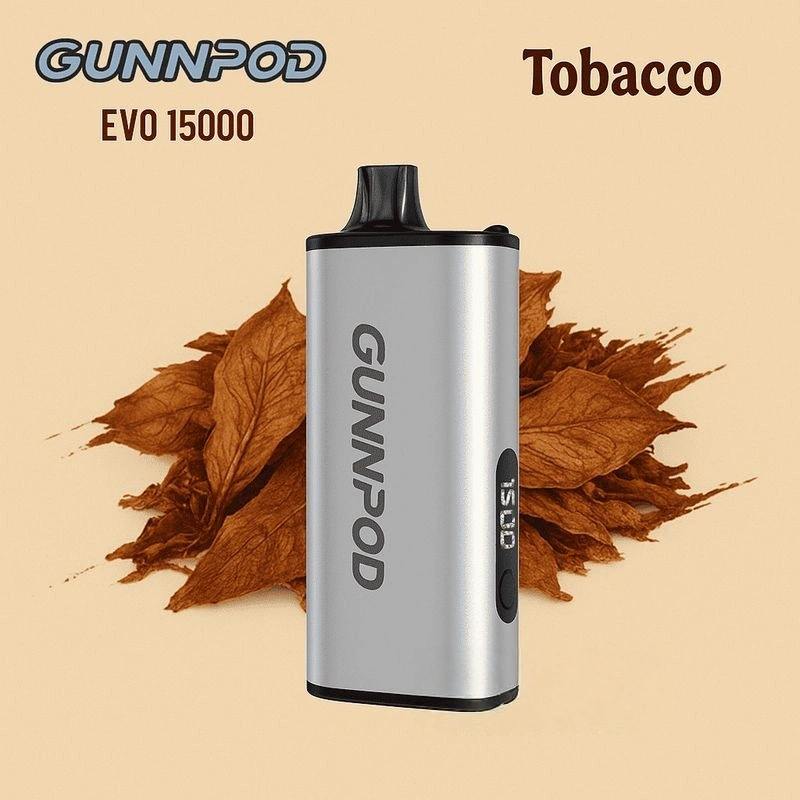
For heavy combustion users (pack-a-day smokers) making the transition, the Gunnpod EVO Tobacco series is the strongest recommendation. Its 15,000-puff capacity eliminates the anxiety of running out, while the rich tobacco flavour satisfies the deep-seated taste expectations that combustion users carry. The 10-pack at $399 USD offers an economical entry point, while the 20-pack at $790 USD provides maximum long-term value. For flavour-focused social users, the Wala POP Cherry Pom at $58 USD delivers an exceptional taste experience with enough capacity to last the average social user 2-3 weeks. And for experienced vaporisation enthusiasts who have fully committed to the combustion versus vaporisation pocket ritual lifestyle, the IGET Moon Cherry Snow Pear Ice at $429 USD (bulk overseas shipping) represents the premium tier with sophisticated flavour engineering.
????️ 画像プレースホルダー: ここに画像を挿入してください。(メディアライブラリは空でした)
推奨Altテキスト: “combustion versus vaporisation pocket ritual buyer decision flowchart”
Authenticity Verification & Safe Purchasing
When purchasing vaporisation devices online, authenticity verification is critical. Counterfeit products—which lack safety testing and may contain harmful contaminants—remain a problem in unregulated marketplaces. All products featured in this guide come through verified supply chains with batch-level traceability. Look for holographic authenticity stickers, QR codes linking to manufacturer verification pages, and tamper-evident packaging. Reputable retailers provide clear country-of-origin information and maintain responsive customer support for any authenticity concerns. The FTC’s consumer protection guidance underscores the importance of purchasing from established, transparent sellers rather than peer-to-peer marketplaces where counterfeit risk runs high.
Pros & Cons Summary
✓ Pros of Vaporisation Pocket Rituals:
- Significantly lower long-term cost compared to daily combustion purchases
- No lingering smoke odour on clothing, hair, or living spaces
- Precise nicotine dosing with ability to taper gradually
- Wider flavour variety including fruit, menthol, and traditional tobacco profiles
- No ash, butane, or combustion byproducts to manage or dispose of
✗ Cons to Consider:
- Initial device cost may feel high compared to a single pack of cigarettes
- Requires battery management (for rechargeable models) and charging awareness
- Regulatory landscape continues to evolve; some states restrict flavours or online sales
- Adjustment period of 1-2 weeks as the body adapts to vapour versus smoke
- Not all devices deliver consistent quality; brand selection matters significantly
❓ Frequently Asked Questions
Q: How much does a quality vaporisation device cost compared to monthly combustion expenses?
A quality disposable vaporiser like the Wala POP 10000 Puffs costs $58 USD and provides roughly 500 cigarette-equivalent sessions. In comparison, a pack-a-day smoker in the US spends $300-$400 monthly on cigarettes at 2026 average prices. Even premium vaporisation options like the IGET Moon at $429 USD for bulk quantities represent significant savings over 3-6 months. For heavy users, the Gunnpod EVO Tobacco 20-pack at $790 USD delivers approximately 300,000 puffs—equivalent to 15,000 cigarettes or roughly $9,750 in combustion products at current US prices.
Q: How do I use a disposable vaporiser correctly for the best combustion versus vaporisation pocket ritual experience?
Start with a slow, steady 3-5 second draw directly into your mouth (mouth-to-lung), hold briefly, then inhale gently into the lungs. Avoid sharp, quick pulls typical of cigarette smoking. Wait 30-60 seconds between puffs to allow the wicking material to re-saturate. Most disposable devices in 2026 are draw-activated—no buttons required. If your device has adjustable airflow, start with a tighter setting to mimic the draw resistance of a combustible cigarette, then open it gradually as you become accustomed to the vapour sensation. The Gunnpod EVO and IGET Moon series are both designed for intuitive, draw-activated operation.
Q: Are vaporisation devices safer than combustion products according to 2026 research?
According to major research firms and public health bodies including the CDC, vaporisation eliminates the combustion process that produces the majority of harmful chemicals in cigarette smoke—including tar, carbon monoxide, and thousands of carcinogenic compounds. While vaporisation is not risk-free (nicotine itself is an addictive substance with cardiovascular effects), 2026 public health consensus positions it as a significantly less harmful alternative for adult smokers who would otherwise continue using combustible products. The CDC provides detailed information about e-cigarettes and relative risk, emphasising that the elimination of combustion is the primary driver of reduced harm. Importantly, vaporisation is intended exclusively for current adult tobacco users, not for non-smokers or youth.
Q: How does the Wala POP compare to the Gunnpod EVO for someone switching from combustion?
The Wala POP 10000 Puffs ($58 USD) is ideal for light-to-moderate combustion users and flavour-focused consumers who want a lower upfront investment. It delivers 10,000 puffs with vibrant flavour options like Cherry Pom. The Gunnpod EVO ($399-$790 USD for bulk packs) targets heavier combustion users with its 15,000-puff capacity per unit and traditional tobacco flavour profile that closely mimics the taste of combustible cigarettes. The Gunnpod’s non-rechargeable design also appeals to users who want absolute zero-maintenance operation. For pack-a-day smokers, the Gunnpod EVO is typically the smoother transition; for social or intermittent smokers, the Wala POP offers better value and flavour variety.
Q: Can I buy these vaporisation devices online and have them shipped to any US state?
Shipping availability varies by state due to differing regulations. As of 2026, some states have implemented flavour bans or restrictions on online vapor product sales that may affect delivery to your location. Notablevape maintains up-to-date shipping information and age verification protocols compliant with all applicable laws. Before placing an order, check the current shipping eligibility for your specific state. Products like the IGET Moon ship from overseas, which may involve additional customs processing times compared to domestically stocked items like the Gunnpod EVO series. All purchases require adult signature upon delivery in accordance with federal law.
DR
About the Author
Dr. Rebecca Hartwell, PhD
Dr. Hartwell is a Senior Product Researcher with over 12 years of experience in nicotine delivery systems and harm reduction technologies. She holds a doctorate in Public Health from Johns Hopkins University and has contributed to peer-reviewed research on combustion cessation methods, vaporisation device safety profiles, and consumer behaviour patterns in the US market. Her work has been cited in FDA regulatory proceedings and she advises multiple industry organisations on evidence-based product development. Dr. Hartwell has personally guided over 2,000 adult smokers through the transition from combustible products to vaporisation alternatives through clinical programs in Maryland and Virginia.


