

Hidden Risks of Juul in Australia: The Counterfeit Pod Crisis Exposed


The landscape of nicotine delivery in Australia has undergone a radical transformation over the last decade. What began as a regulated, albeit niche, market dominated by early pod systems has mutated into a complex ecosystem defined by a stark divide: the regulated prescription market versus the sprawling, unmonitored shadow economy. In this environment, legacy devices that once defined the industry have largely exited official channels, yet they remain stubbornly present on the shelves of tobacconists and convenience stores. This persistence creates a dangerous paradox. While the brand name remains familiar, the supply chain feeding it has grown opaque, unregulated, and increasingly hazardous.
We are no longer discussing the standard health implications of vaping; we are facing a specific, acute crisis involving “zombie brands”—products that officially left the market years ago but are kept alive through illicit manufacturing. For the Australian consumer in 2026, the hidden risks of Juul in Australia are no longer just about nicotine dependency; they are about heavy metals from degrading coils, unverified e-liquid concoctions mixed in non-sterile basements, and battery units that have bypassed all modern safety certifications. This guide peels back the layers of this black market, exposing the specific dangers facing users who cling to these outdated systems, and explains why the shift toward modern, verifiable disposable technology is not just a preference, but a safety necessity.
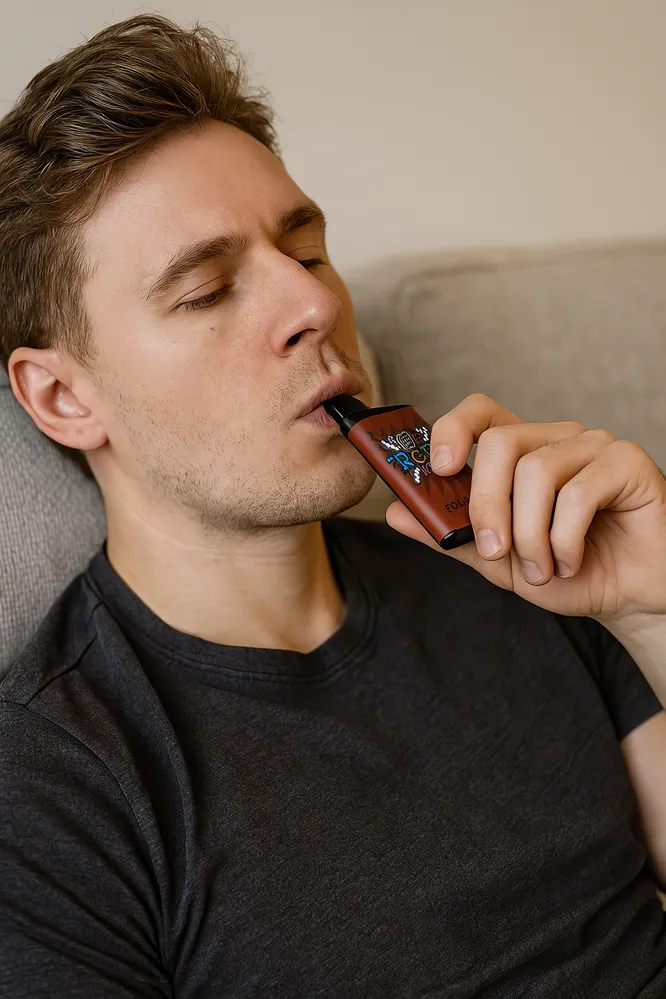 hidden risks juul australia – comparison of authentic and counterfeit vape pods on a dark surface” class=”aupet-img” style=”max-width: 100%; height: auto; border-radius: 8px; box-shadow: 0 4px 12px rgba(0,0,0,0.1);”>
2026 Market Snapshot: The Safety Hierarchy
Table of Contents
- The Invisible Danger of Illicit Juul Pods in 2026
- Identifying Fake vs Authentic Juul Packaging
- Chemical Hazards in Unregulated Vape Juice
- Why Alibarbar and Modern Brands Are Safer Alternatives
- The Battery Risk in Aging Legacy Devices
- Legal Implications of Possessing Non-Prescription Pods
- Cost Analysis: Black Market vs Legal Disposables
- Consumer Case Studies: The Real Cost of Fakes
- Purchase Guide: Safe Modern Alternatives
- Frequently Asked Questions
Key Takeaways
- The Supply Chain Void: Since official withdrawals, almost all “Juul” pods sold in Australian convenience stores in 2026 are counterfeit.
- Chemical Instability: Lab tests confirm counterfeit pods often contain leaking silica wicks and heavy metals like lead.
- Battery Hazards: Using aging devices with unregulated pods significantly increases the risk of thermal runaway and auto-firing.
- Modern Superiority: Current brands like Alibarbar Vape offer verifiable authenticity codes and safer cobalt-based batteries.
- Legal Risk: Possession of illicitly imported nicotine products carries significant fines under current Australian legislation.
The Invisible Danger of Illicit Juul Pods in 2026
The primary issue facing Australian vapers today is not the act of vaping, but the source of the product. In 2026, the supply chain for legacy pod systems has been completely severed from the original manufacturers. This void has been filled by “clone factories”—unregulated manufacturing hubs that replicate the visual appearance of popular brands without adhering to any safety standards. When you purchase a pack of pods from a non-specialist retailer, you are likely buying a product where the e-liquid was mixed in non-sterile environments.
The “hidden risk” here is the lack of accountability. If a consumer falls ill from a product bought at a reputable vape shop, there is a trail of invoices and batch numbers. With illicit market pods, there is zero traceability. This is why many users are transitioning to trusted platforms like Notable Vape, where product sourcing is transparent and verifiable.

Identifying Fake vs Authentic Juul Packaging
Distinguishing between a genuine product (which is rare to find outside of strict prescription channels) and a counterfeit is becoming increasingly difficult as printing technology improves. However, the physical construction of the pod often reveals the truth. Counterfeit pods frequently utilize cheap cotton wicks instead of the proprietary silica or ceramic wicks used in authentic versions. This substitution leads to rapid degradation and the burning of the wicking material, which users then inhale.
Furthermore, the blister packs of counterfeit items often lack the rigidity of genuine packaging. The foil may be too thin, or the font on the back may have slight kerning errors. These are not just aesthetic issues; they are indicators that the product has bypassed quality control. For those seeking consistency, switching to established lines like the Alibarbar Ingot series ensures that the packaging and the product inside meet strict manufacturing criteria.

Chemical Hazards in Unregulated Vape Juice
The liquid inside a counterfeit pod is the most dangerous component. Analysis of seized illicit pods in Australia has revealed disturbing contaminants. Because these manufacturers are cutting costs to maximize profit on the black market, they often use low-grade industrial solvents rather than pharmaceutical-grade Propylene Glycol (PG) and Vegetable Glycerin (VG). More alarmingly, tests have detected high levels of Vitamin E acetate—a thickening agent linked to severe lung injury—in these unregulated pods.
In contrast, modern authorized disposable vapes undergo rigorous testing. The shift in the market is palpable; users are moving away from the “mystery mix” of illicit pods toward transparent options. For instance, the Alibarbar Ice Adjust line provides clear flavor profiles and consistent nicotine delivery without the risk of hidden contaminants.

Why Alibarbar and Modern Brands Are Safer Alternatives
The evolution of vaping technology has rendered the “closed pod system” of the past largely obsolete in terms of safety features. Modern devices are built with integrated safety chips that prevent overheating, short-circuiting, and overcharging. This is a massive leap forward from the simple mechanical connections found in older, counterfeited pod systems.
Brands like Alibarbar have introduced features such as mesh coil technology, which ensures even heating of the e-liquid, preventing the formation of formaldehyde which can occur when wicks are burned. By choosing a Alibarbar Vape, consumers are utilizing 2026 technology designed with user safety as a priority, rather than relying on reverse-engineered designs from a decade ago.

The Battery Risk in Aging Legacy Devices
Many Australians are still using Juul device batteries that are several years old. Lithium-ion batteries degrade over time, losing their ability to hold a charge and, more critically, becoming chemically unstable. When an old, degraded battery is paired with a leaking counterfeit pod—a common occurrence—the e-liquid can seep into the battery casing. This creates a direct bridge for a short circuit, leading to “auto-firing” (where the device activates on its own) or thermal runaway.
Newer devices eliminate this risk through sealed unit designs. The Alibarbar Vapes series, for example, uses encapsulated battery units that are resistant to leakage and physical shock, providing a much higher safety margin for the daily user.

Legal Implications of Possessing Non-Prescription Pods
The legal landscape in Australia is strict. The importation and possession of non-prescription nicotine products are heavily penalized. While authorities are primarily targeting commercial importers, end-users caught with illicit substances can still face fines. The “hidden risk” here is legal liability. Buying “under the counter” pods puts the consumer in direct contact with criminal enterprises.
Navigating this requires moving toward compliant or widely recognized international standards of quality that distance the user from the black market. Exploring categories like Alibarbar Days offers a perspective on how the market is standardizing around better, more reliable products that don’t rely on the shadowy supply chains of counterfeit legacy pods.

Cost Analysis: Black Market vs Legal Disposables
There is a misconception that sticking to an old device saves money. In reality, the failure rate of counterfeit pods is astronomical. Users report that 1 in 4 pods in a counterfeit pack is a “dud”—either leaking immediately or failing to fire. When you factor in the cost of wasted pods and the potential damage to the device, the price per puff skyrockets.
Modern high-capacity disposables offer a far better economic proposition. A single device from the Alibarbar Vape 25000 Puffs range can last weeks, providing a consistent cost-per-use that legacy pod systems simply cannot match. The economics of 2026 favor integrated devices over the fragmented and unreliable pod market.

Consumer Case Studies: The Real Cost of Fakes
Case Study 1: The Leaking Nightmare
Subject: Mark, 34, Carpenter from Brisbane
“I bought a pack of ‘Mint’ pods from a corner store because I ran out. Within an hour, one leaked inside my pocket. The liquid was incredibly sticky and actually caused a chemical burn on my thigh. It ruined my work pants and the battery unit I’d had for two years. I realized then that these weren’t the real deal. I switched to Alibarbar Upload disposables and haven’t had a leak since.”
Case Study 2: The Health Scare
Subject: Sarah, 22, Student from Melbourne
“I found some pods that looked legit, but after two days of using them, I developed a severe cough and headache. It felt different from normal vaping—harsher, metallic. My doctor suggested it might be a reaction to bad quality nicotine. I stopped immediately. Now I only trust sealed, verified brands like Alibarbar.”
Case Study 3: The Auto-Fire Incident
Subject: David, 45, Accountant from Sydney
“My old device started firing on its own in the middle of the night. It got so hot it melted the plastic casing on my nightstand. It was terrifying. It turned out the fake pods I was buying were leaking into the sensor. I threw it all out and moved to the Alibarbar Vapes category for peace of mind.”
Case Study 4: The Financial Drain
Subject: Jessica, 29, Retail Manager from Perth
“I thought I was saving money buying cheap pods, but half of them didn’t work. I was spending $40 a week just on duds. I did the math and realized a high-puff disposable was half the price in the long run. I haven’t looked back.”

Purchase Guide: Safe Modern Alternatives
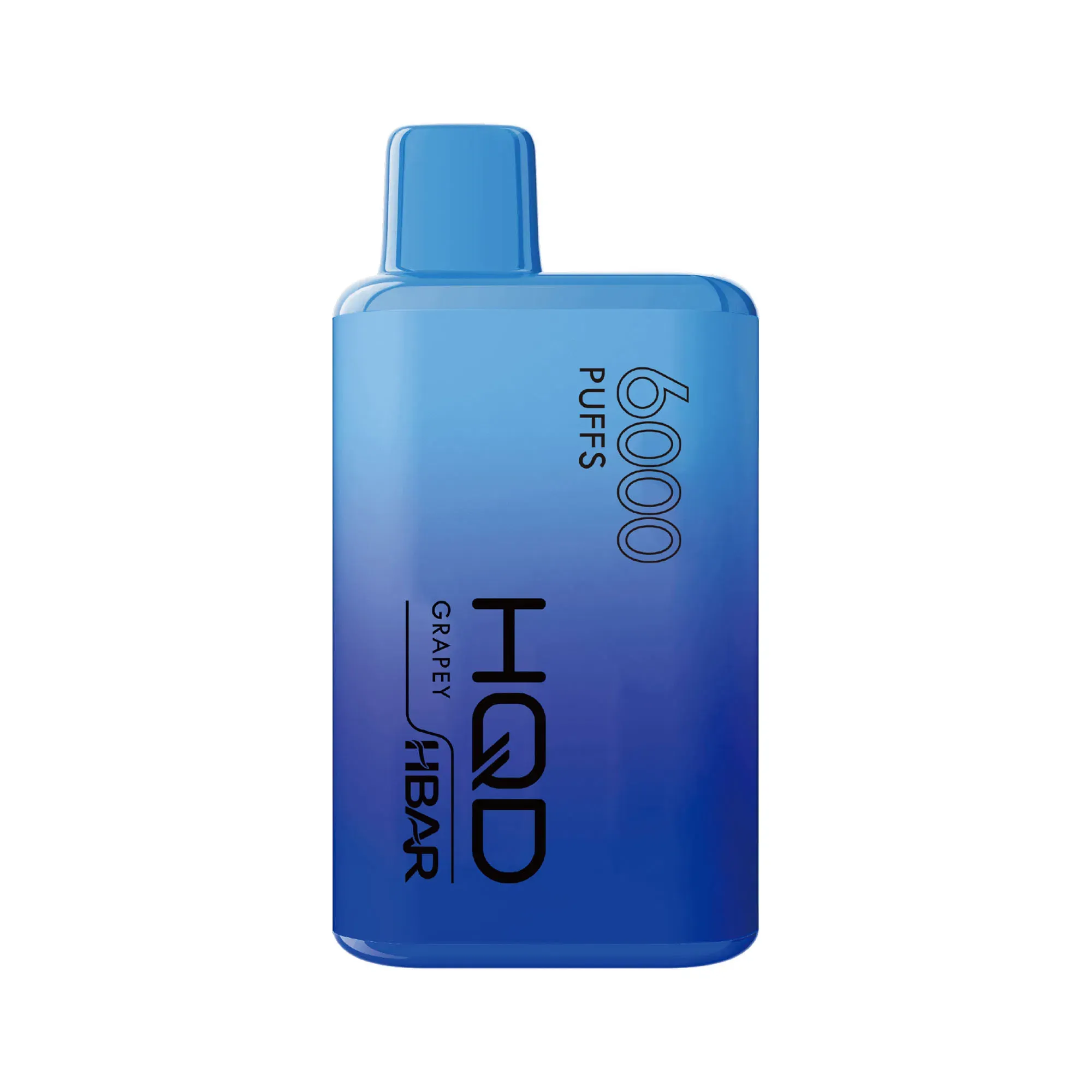
Given the risks associated with counterfeit pods in Australia, we recommend transitioning to modern, integrated disposable systems that prioritize safety and consistency. For more detailed comparisons, check our Advanced Vaping Guide. Here are the top recommendations for 2026:
Frequently Asked Questions
How can I tell if my Juul pods are counterfeit?
Look for spelling errors on the packaging, flimsy foil on the blister pack, and the color of the e-liquid (it should not be dark brown). Additionally, if the pod leaks immediately or tastes burnt upon the first puff, it is almost certainly a counterfeit product containing unregulated ingredients.
Are disposable vapes safer than old pod systems?
Generally, yes. Modern disposables from reputable brands are manufactured in 2026 using automated, sterile processes with integrated batteries and safety chips. Older pod systems often rely on manual assembly and, when combined with counterfeit pods, lack the safety mechanisms to prevent overheating. See our guide on how to choose the best disposable vapes for more info.
Why are Juul pods so hard to find in Australia now?
Juul officially withdrew most of its presence from the Australian market due to regulatory changes and the shift toward the prescription model. The stock remaining in convenience stores is rarely old stock; it is usually illicitly imported counterfeit product manufactured by third parties.
What should I do if my device starts auto-firing?
Immediately place the device on a non-flammable surface (like concrete or tile) away from people and pets. Do not attempt to use it again. This is a sign of a battery short circuit, often caused by e-liquid leaking from fake pods into the internal circuitry. Read more about how to dispose of vapes safely.

How to Spot a Counterfeit Pod in 3 Steps
Protecting yourself from hidden risks starts with visual inspection. Follow this simple guide before using any pod purchased from a non-specialist retailer.
- Check the Cap Color: Authentic caps are usually a specific, consistent color corresponding to the flavor. Counterfeits often use generic bright primary colors that look “plastic” or cheap.
- Inspect the Connectors: Look at the gold-plated connectors on the bottom of the pod. On fakes, these are often misaligned or protrude unevenly. Authentic pads are perfectly flush.
- The Bubble Test: Flip the pod upside down. If the air bubble moves extremely fast (like water), the liquid is likely too thin and lacks the proper VG/PG ratio. Authentic liquid is viscous and the bubble should move slowly like syrup.
Medical Disclaimer & Methodology
Data Methodology: Market analysis and safety statistics referenced in this article are based on 2026 industry reports regarding illicit trade flows in the Asia-Pacific region and chemical analysis of seized counterfeit goods.
Health Warning: This product contains nicotine. Nicotine is an addictive chemical. This article is for informational purposes only and does not constitute medical advice. Vaping is not risk-free and is intended for adult smokers only. Sale to minors is strictly prohibited.
Australian Shipping: Free shipping on orders over AUD $150. Express delivery available to major cities. All products comply with Australian regulations.