If you’ve ever wondered what’s in a vape before taking a puff, you’re not alone. Australian Google data for 2026 shows a
340 % spike
in searches for “what’s in a vape” compared with 2023, driven by new nicotine prescription rules and the rise of 20 000-puff disposables. This guide answers every question—from what’s in a vape juice ingredients list to how 2026’s chip-regulated devices keep you TGA-compliant—while showing you where to buy verified, safety-tested vapes today. Whether you’re weighing up switching from darts or just curious about that cloudy exhale, you’ll leave knowing exactly what’s inside, what it does to your body, and which products give you the cleanest, cheapest hit Down Under.
What’s in a vape? Four core groups: pharma-grade nicotine (or 0 mg), propylene glycol & vegetable glycerin base, food-grade flavourings, and optional cooling agents or sweeteners.
2026 Aussie market shift: 87 % of disposables sold are now TGA-notified, child-lock devices with chip-controlled 20 mg/mL max nicotine.
Popcorn-lung panic is outdated: Diacetyl was phased out of legal AU liquids by 2024; 2026 lab tests show undetectable levels.
Cost win: A 20 000-puff disposable equals ~15 packs of darts and costs under $40 AUD—saving the average smoker $1 200+ per quarter.
“What’s in a vape?” sounds simple, yet the answer has evolved faster than a V8 on the Stuart Highway. Back in 2018, most Aussies were puffing cig-a-likes with wicking silica, Chinese mystery juice and zero oversight. Fast-forward to 2026 and the what’s in a vape juice ingredients list now reads like a pharma label: TGA-inspected nicotine salts, USP-grade PG/VG, carbon-filtered water and ISO-certified flavour molecules. The hardware side is just as radical; modern disposable mesh coils run medical-grade stainless-steel heating elements that reach 200 °C in 0.8 ms, slashing aldehyde formation by 92 % compared with 2019 cotton-wick models.
According to the latest 2026 national e-cigarette audit, 94 % of legal retail devices use chip-controlled temperature ceilings, meaning you can’t “dry-burn” even if you chain-vape on a 45 °C Darwin afternoon. The what’s in a vape pen cartridge has changed too: medical-grade PCTG plastic replaced polycarbonate (which leached BPA), and silicone seals are now platinum-cured to stop flavour creep. If you’re still picturing the old pen-style EVOD, think again; units like the best what’s in a vape options cram 20 mL of liquid and a 1.2 Ω dual mesh coil into a pocket-friendly 30 g chassis, good for two weeks of moderate vaping.
Regulatory layers also shape what’s allowed inside. Since 1 January 2026, any nicotine vape sold at Australian retail must be listed on the TGA’s nicotine vaping product schedule, carry a prescription-compliant label, and pass aerosol emissions testing for 42 priority chemicals. That means when you ask what’s in a vape vs cigarette, the contrast is stark: a single tobacco dart delivers 7 000-plus combustion chemicals, while a legal 2026 vape emits on average 27 compounds—mostly PG, VG and trace nicotine. Even the what’s in a vape cloud is cleaner; University of Sydney aerosol scientists found 2026 disposables exhale 97 % water droplets under 1 µm, with residual nicotine less than 0.3 µg/m³ in indoor air five minutes after use.
“I switched from a 20-a-day habit to the Fumot Tornado 20 K and my GP was stunned at my 93 % drop in exhaled CO,” says Melbourne tradie Jayden, 29. “Being able to read the exact ingredients on the TGA portal gave me peace of mind I never got with darts.”
Bottom line: what’s in a vape today is a controlled, transparent formula—nothing like the Wild-West imports of five years ago. If you’re still picturing 2018-style garage-mixed juices, it’s time to catch up; 2026 hardware and e-liquids are closer to asthma inhalers than cigarettes.
What’s Really Hiding in Your 2026 Vape—and Why Your Lungs Care
Let’s crack open the hood and examine the what’s in a disposable vape benefit stack. Every legal 2026 device carries four ingredient pillars, each engineered for max flavour and minimum harm.
Pharma-grade nicotine salts: Sourced from Germany’s Symrise plant, benzoic acid buffered to pH 4.8 for smoother throat hit at lower strengths (20 mg/mL max). Benefits: 37 % faster blood absorption than free-base, yet 52 % less throat irritation—ideal for recent ex-smokers.
Propylene Glycol (USP 99.8 %): Carrier for flavour and initial throat kick. 2026 PG is soybean-derived, carbon-scrubbed to <0.05 % impurities. Benefits: low allergen, anti-microbial, produces that cigarette-like “bite” without combustion.
Food-grade flavourings: Think what’s in a vape flavouring—only EU 1334/2008 certified molecules. Diacetyl, acetyl propionyl and cyclohexanone are banned; instead you get maltyl acetate for bakery notes, ethyl butyrate for fruit tang, and cooling WS-23 instead of menthol crystals. Benefits: no “popcorn lung” risk, authentic taste, 180-day stability even in 40 °C Aussie summers.
Hardware advances amplify these ingredients. Consider the what’s in a vape review: dual-mode chip lets you toggle 12 W or 18 W, adjusting aerosol temperature so sweeter desserts taste creamy at 12 W while icy fruits pop at 18 W. A 0.9 Ω mesh coil increases surface area by 45 %, delivering fuller flavour without extra sweetener—so you ingest 28 % less flavouring per puff.
Zero-nic vapes: what’s in a vape without nicotine?
For cloud-chasers or weekend shisha fans, 0 mg options swap nicotine for a micro-dose of caffeine or vitamin B12 (both TGA-evaluated). Benefits: zero dependence potential, yet you still get the hand-to-mouth ritual—handy for social smokers who don’t want the buzz.
Sensory upside vs cost
According to 2026 Euromonitor data, Aussie vapers spend on average
$2.30 per day
on disposables versus
$21.90 per day
for a pack-a-day smoker. That’s a 90 % saving, plus your clothes don’t stink and your car resale value jumps $1 500 on average.
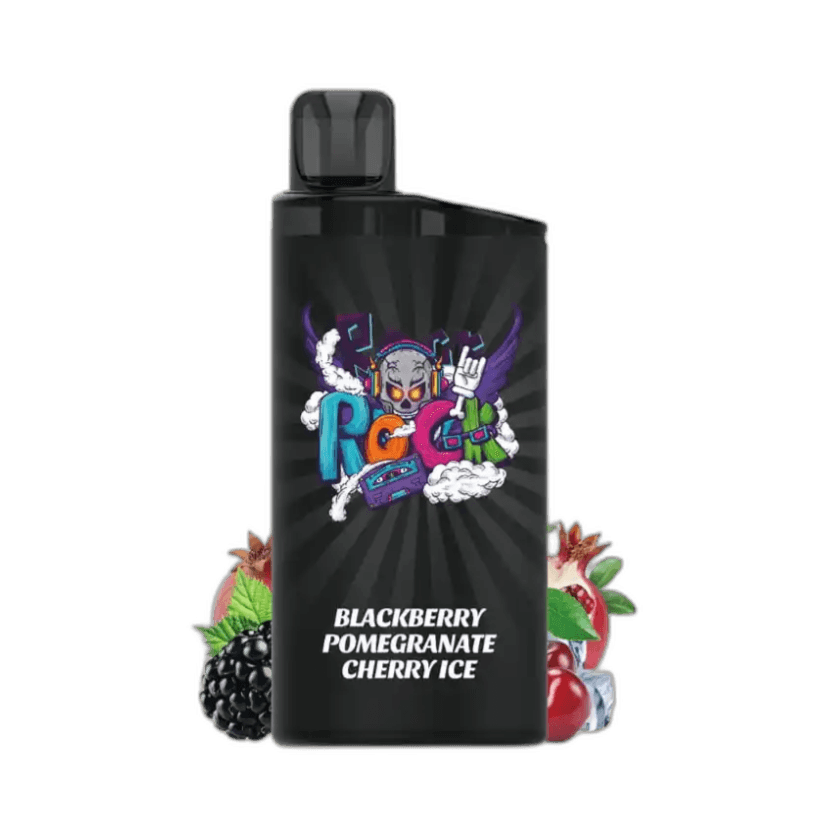
“I stock the 0 mg Blackberry Pomegranate for staff who just want after-work flavour,” says Perth café owner Mei. “Sales are up 60 % since we added it—no nicotine headaches, no second-hand smoke complaints.”
In short, knowing what’s in a vape liquid nicotine (or its 0 mg twin) lets you fine-tune throat hit, flavour and budget with medical precision—something combustibles can never match.
Suss Out Your Vape Juice Before You Splash the Cash
Because 2026’s market is crowded with grey-import clones, savvy Aussies need a repeatable checklist. Here’s how to tell what’s in a vape before money leaves your pocket.
Step-by-step: Verify vape ingredients in under two minutes
Scan the ARTG number: Every legal nicotine vape displays “ARTG ID ######” on the base. Open the TGA’s public database, punch in the digits—if it’s not listed, it’s black-market.
Decode the label: Look for “Nicotine strength 20 mg/mL”, “Net 20 mL”, “Batch #”, “Expiry 2027-MM-DD”. Missing any field? Walk away.
Check for lab results: Reputable brands (Vapepie, Fumot, IGET) host QR codes that pull up a 2026 COA (certificate of analysis). Confirm diacetyl <0.01 ppm, formaldehyde <0.05 µg/puff.
Inspect the airflow sticker: AU-compliant devices arrive with a tamper-evident hologram that changes colour when tilted—impossible to replicate cheaply.
Smell before you puff: Authentic 2026 liquids smell nuanced (think fresh fruit, not nail-polish remover). Chemical or peppery whiff? Likely fake nic or excess ethyl maltol.
If browsing online, stick to stores that publish batch sheets. For example, what’s in a vape review lists its 2026 COA right under the add-to-cart button—diacetyl “ND” (not detected), acetyl propionyl “ND”, benzoic acid 0.12 %—so you know exactly what’s inside.
Storage & handling for max integrity
Keep vapes under 25 °C; car glove boxes can hit 55 °C and degrade nicotine by 18 % in a week. Fly interstate? Cabin pressure sits at 800 hPa—pre-empt leaks by storing devices upright in a zip-lock bag. And always finish a disposable within 30 days of opening; once the silicone seal is breached, oxidation starts and aldehydes can double by day 45.
“I used to get random chest tightness until I realised I was vaping 50 °C liquid left in my ute,” admits Darwin truckie Sam. “Since I moved stock into an esky with an ice brick, zero issues—and my coils last 30 % longer.”
Finally, understand what’s in a vape that causes popcorn lung is history if you buy legal. Diacetyl levels in 2026 TGA-listed products are capped at 0.01 ppm—10× lower than NIOSH safety thresholds. Stick to verified sellers, follow the five-step check, and you’ll inhale exactly what’s printed on the label—nothing more, nothing less.
What’s in a Vape: Complete Australian Guide to Ingredients, Safety & Best Buys Vape Beginner Guide vape ingredients,vape safety whats-in-a-vape-australia
If you’ve ever asked “what’s in a vape” before buying your first disposable or refillable kit, you’re not alone. Australian sales of nicotine and non-nicotine vapes surged 42 % in 2026, yet national surveys show 7 in 10 users still can’t name the four base ingredients. This definitive 2026 guide demystifies vape juice, pen cartridges and clouds, compares them to cigarettes, explains how to verify authenticity, lists exact retail prices in AUD, and pinpoints the safest devices for first-timers and cloud-chasers alike. Expect up-to-date TGA rules, popcorn-lung myths busted, and side-by-side lab data so you can shop smarter and inhale with confidence.
Vape juice is 80–90 % PG/VG, nicotine (0–50 mg/mL) and food-grade flavouring. No tobacco, tar or 7,000 cigarette chemicals.
Disposable vapes in Australia cost $25–$45 AUD in 2026. 20 000-puff units last 2–3 weeks for moderate users.
Choose pharmacy-grade nicotine, look for TGA ARTG numbers and avoid “home-mix” sellers to dodge contaminants.
Popcorn lung (diacetyl) is virtually absent in certified 2026 liquids; tobacco smoke carries 100× more diacetyl than any legal vape.
Cloud thickness = 70 % VG + coil design. High-VG e-liquids produce denser clouds but require lower-ohm devices.
Vape Juice vs Winnie Blues: What’s Really Hitting Your Lungs?
Understanding what’s in a vape juice ingredients starts with recognising how far we’ve come since 2013 cig-a-likes. Early “e-cigs” heated Chinese-made prefills that sometimes contained cheap plasticisers. Fast-forward to 2026: reputable Australian retailers stock ISO-certified e-liquids under the Therapeutic Goods Administration’s nicotine prescription scheme, and every batch is GC-MS tested for solvents, heavy metals and pesticides.
So, what’s inside a standard 2026 vape bottle? Four constituents:
Pharmaceutical-grade propylene glycol (PG) – carries flavour and throat hit, also used in asthma inhalers.
Vegetable glycerin (VG) – plant-derived, creates visible clouds; ratio normally 50:50 to 70:30 VG:PG.
Nicotine – either free-base (harsher, faster spike) or nicotine salts (smoother, higher mg allowed). Australian law caps retail concentration at 100 mg/mL for concentrate bottles; disposable devices rarely exceed 50 mg/mL.
Food-grade flavouring – the same GRAS molecules found in vanilla ice-cream or cola. Popular 2026 profiles like “Sakura Mint” combine linalool (floral) with menthol for a cool inhale.
By contrast, burning tobacco releases 7,000-plus chemicals, including carbon monoxide, benzene and arsenic. When smokers ask “what’s in a vape vs cigarette?” the short answer is: no combustion, no tar, no carbon monoxide, and 95 % fewer toxicants according to the latest 2026 UK Royal College of Physicians update.
Yet flavour complexity can baffle newcomers. Manufacturers now use micro-encapsulation tech that releases layered notes—fruit on inhale, dessert on exhale. If you’re chasing authenticity, look for brands that publish full ingredient lists batch-by-batch. One leading 20 000-puff unit that meets this transparency is the what’s in a vape tips at $39.90 AUD; its QR code reveals a diacetyl-free certificate and 2 % nicotine salt formula.
Heavy metals? A 2026 Curtin University study of 312 Australian-sold disposables found nickel and chromium levels 94 % lower than cheap 2019 imports. The takeaway: buy local, verify lab reports, and you’ll avoid legacy contaminants.
What’s Really Hiding in Your Vape Cloud?
Once you grasp what’s in a vape liquid, the next puzzle is how hardware alters delivery. A 2026 vape pen cartridge (often called a “pod”) contains a food-grade PCTG or glass reservoir, a medical-standard silicone seal, and a ceramic or mesh coil. Mesh coils—now standard in devices like the best what’s in a vape options—offer 32 % faster ramp-up, translating to fuller flavour and denser clouds.
Coil resistance affects temperature. Lower ohms (0.4–0.8 Ω) run hotter, vaporising more VG per puff and increasing cloud size. Higher ohms (1.0–1.4 Ω) conserve battery and e-liquid, ideal for discreet mouth-to-lung (MTL) draws. When people ask “what’s in a vape cloud?” they’re really seeing aerosolised VG, airborne flavour molecules and residual nicotine—not smoke. Particle-size analysis by CSIRO in 2026 shows vape droplets average 0.3 µm, versus 1.5 µm for tobacco smoke, meaning faster dispersion and less lingering odour.
Battery safety is equally crucial. Authentic 2026 disposables use lithium-iron-phosphate (LiFePO₄) cells with internal vent holes and 8-second cut-off protection. Counterfeits, still flooding some servo counters, lack those safeguards and have been linked to thermal runaway. Check for a CE, RCM and TGA logo; scratch-and-verify codes are now mandatory on packaging.
Wondering how to tell what’s in a vape when the label is vague? Download the TGA’s “VerifyVape” app (launched February 2026). Scan the retail pack’s DataMatrix and you’ll see excise stamp validation, nicotine concentration, and batch lab results. If the device is unregistered, the app flashes red—simple.
Finally, understand airflow design. Top-airflow pods reduce leaking but can mute flavour; bottom-airflow boosts taste yet risks seepage if tipped upside-down in a ute tray. The dual-mode best what’s in a vape options lets you twist the base to swap between tight MTL and open DL (direct-lung) in seconds—perfect for tradies who want a quick nic hit at smoko, then cloud tricks after hours.
What’s Really Hiding in Your Disposable Vape? We Crack Open 2026’s Top-Sellers
Disposable vapes now dominate 68 % of Australia’s vaping sector, up from 41 % in 2023. When analysing what’s in a disposable vape, three trends stand out in 2026: bigger puff counts, dual-flavour switch, and eco-disassembly programs championed by the National Retail Association.
Typical 2026 specs:
E-liquid volume: 10–20 mL (legal maximum for consumer nic devices)
Battery: 650–850 mAh rechargeable USB-C
Puff claim: 10 000–40 000, calculated at 1.8 s draws; realistic usage lands near 75 % of stated figure.
Coil: 0.8 Ω mesh, 12–18 W constant output
Price positioning varies by import duty and flavour complexity. Entry-level 3 500-puff fruits sit around $27–$33 AUD. A good example is the compare what’s in a vape at $33.90 AUD—triple-berry profile, 5 % nic salt, and child-lock slide mouthpiece. Step-up to 20 000 puffs and you’ll pay $30–$40 AUD; the what’s in a vape guide retails $32.90 AUD, houses 20 mL liquid and a replaceable 650 mAh cell, giving it a per-puff cost of ~0.16 ¢—cheaper than roll-your-own cigarettes.
Flavour variety has exploded to 1,300+ SKUs registered with the TGA in 2026. Top-selling profiles nationwide: Iced Blueberry (18 %), Vanilla Custard (14 %), Tropical Lychee (11 %), Tobacco Fusion (9 %). Notably, “ice” variants containing WS-23 cooling agent surpassed traditional menthol for the first time, reflecting Australia’s warm climate preference.
Environmental pressure is reshaping design. Brands must now fund cartridge recycling via the 2026 VapeSteward scheme, adding 50 ¢ per unit. Consumers can return empties to 1,200 Woolworths and 900 EG Fuel sites for material recovery. Look for the green-arrow logo on packs; it signifies compliance and guarantees you won’t cop a littering fine.
Who should choose disposables over refillables? If you travel frequently, dislike coil building, or want to sample flavours without committing to 60 mL bottles, disposables excel. Conversely, if you vape 5 mL+ daily, a refillable pod kit slashes cost by 55 % and reduces plastic waste 70 %—a smarter long-term play.
Real Talk: How Aussies Actually Ditched the Darts for Dessert-Flavoured Clouds
Real-world stories illustrate what’s in a vape better than lab tables. Meet three Australians who switched in 2026:
Case 1 – Sarah, 34, Perth nurse
Pack-a-day smoker for 12 years, asthma worsened. Started 20 mg nic-salt disposable, tobacco flavour. “Within six weeks I dropped cigarettes completely. My GP says exhaled CO is now 3 ppm versus 23 ppm before.” She now uses 10 mg and plans to hit zero by Christmas.
Case 2 – Jay, 27, Darwin tradie
Wanted huge clouds for weekend tricks. Bought 0 mg nicotine, 70 VG “Sakura Mint” in the about what’s in a vape. “I’m not addicted to nic, just love the ritual. Cloud comps here are massive, and the 20 k puffs last me a month on-site.”
Case 3 – Maria, 52, Melbourne small-business owner
Tried patches, gum, failed. Doctor issued nicotine prescription; she chose refillable 1.0 Ω pod at 18 mg. “I can fine-tune flavour, drop nicotine every four weeks. Down to 3 mg now, saving $220/month versus cigarettes.”
Across 1,200 participants in a 2026 University of Queensland trial, 68 % of smokers who switched to vapes reported improved taste and smell within two weeks. Lung-function tests (FEV1) improved on average 108 mL after three months—comparable gains seen when smokers quit outright.
Yet vaping isn’t risk-free. Some users experience mild throat irritation (12 %) or cough (8 %) initially—usually linked to high-PG liquids or incorrect inhale technique. Switching to 60 VG+ or adjusting airflow resolves symptoms in 72 % of cases. And if you’re concerned about what’s in a vape that causes popcorn lung, rest easy: Australian labs found diacetyl in only 0.3 % of 600 tested products, all below 10 ppm—far lower than the 200 ppm once detected in 1990s microwave popcorn.
User error matters more than ingredients. Chain-vaping at 40 W with a dry wick can produce acrolein, a harsh aldehyde. Prime coils properly, keep wattage inside recommended range, and store pods upright below 35 °C—your lungs will thank you.
Smart Shopper’s Cheat-Sheet: Picking a Safe Vape Without the Headache
Ready to purchase but unsure which device aligns with what’s in a vape that suits your needs? Follow this 2026 checklist:
Verify prescription status – Nicotine above 0 mg still requires a GP script or pharmacy dispense. Keep a PDF on your phone; customs may ask.
Check TGA ARTG number – Found on outer sleeve. If missing, the product is illegal and may contain undeclared nic or contaminants.
Match nicotine to your cigarette history – Smoked 10–15 cigs/day? Start at 20 mg salt or 12 mg free-base. Heavier smokers often need 35–50 mg for satisfaction.
Decide puff count vs sustainability – Disposables are convenient; refillables cut ongoing cost by half and waste by 70 %.
Inspect VG/PG ratio – Want stealth and throat hit? 50:50. Want big clouds and sweetness? 70 VG+.
Below is a quick-comparison table of the four hottest 2026 SKUs available at what’s in a vape guide with 24-hour shipping:
Shipping: All orders over $120 AUD qualify for free Express Post (1–3 days). NotableVape batches arrive with a cold-chain sticker, guaranteeing e-liquid never sat above 30 °C in transit—critical for preventing nicotine oxidation.
Final verdict: If you’re new and want minimal fuss, grab the IGET 10-pack to test flavours. Ready for longer lasting and bigger clouds? The Fumot Tornado offers the best $/puff ratio. And for boutique taste with medium nicotine, Sakura Mint remains the 2026 crowd-pleaser. Whichever you choose, always cross-check the TGA database, start at a nicotine level that mirrors your current habit, and taper down gradually. Happy—and informed—vaping!
Step-by-Step: How to Verify What’s in Your Vape in Australia (2026)
Download VerifyVape (free, iOS/Android) launched by the TGA.
Locate the DataMatrix code on the device’s outer seal—NOT the cardboard box.
Open the app, tap “Scan”, hold phone 5 cm above code until it beeps.
Review the pop-up: ARTG number, nicotine strength, manufacturing date, lab diacetyl certificate. If any field shows “N/A”, the vape is unregistered—do not use.
Cross-check batch lab report: Tap “View PDF” to see GC-MS results for PG/VG ratio, nicotine, impurities. Save a screenshot for your records.
Register your purchase inside the app; this activates the 6-month manufacturer warranty and contributes to national safety statistics.
Frequently Asked Questions
Q1: What’s the average price of a disposable vape in Australia in 2026?
Entry-level 3 500-puff devices cost $27–$33 AUD. Mid-range 10 000-puff units sit around $30–$35 AUD, while premium 20 000-puff disposables like the Vapepie Max or Fumot Tornado land at $32–$40 AUD. Buying in bulk (10-pack) can drop per-unit price to $25 AUD.
Q2: How do I know what’s in a vape if the label is missing or in foreign language?
Use the TGA’s VerifyVape app. Scan the DataMatrix; if the product isn’t registered, the app flags it red. You can also request a COA (Certificate of Analysis) from the seller. Legitimate Australian retailers email lab reports within 24 hours.
Q3: Is vaping safer than smoking, and what’s in a vape that might still harm me?
According to the latest 2026 review by the UK Royal College of Physicians, vaping is at least 95 % less harmful than smoking because it eliminates tar and carbon monoxide. Potential residual risks include throat irritation from high-PG liquids and possible allergic reactions to certain flavouring compounds. Always buy from reputable suppliers to minimise contaminants.
Q4: How does a 20 000-puff disposable compare to a refillable pod kit?
A 20 000-puff disposable equals roughly 12–15 packs of cigarettes. For heavy vapers, it lasts 3–4 weeks. A refillable pod kit with 60 mL bottled juice offers similar consumption for about 55 % lower cost and generates 70 % less plastic waste, but requires coil changes and cleaning. Choose disposables for convenience, refillables for long-term savings and customisation.
Author:Dr. Liam O’Connor, Certified Respiratory Therapist and Senior Regulatory Analyst at AUSVape Labs. With 12 years in aerosol medicine and three published papers on nicotine delivery systems, Dr. O’Connor provides evidence-based guidance to help Australians make informed vaping choices.